



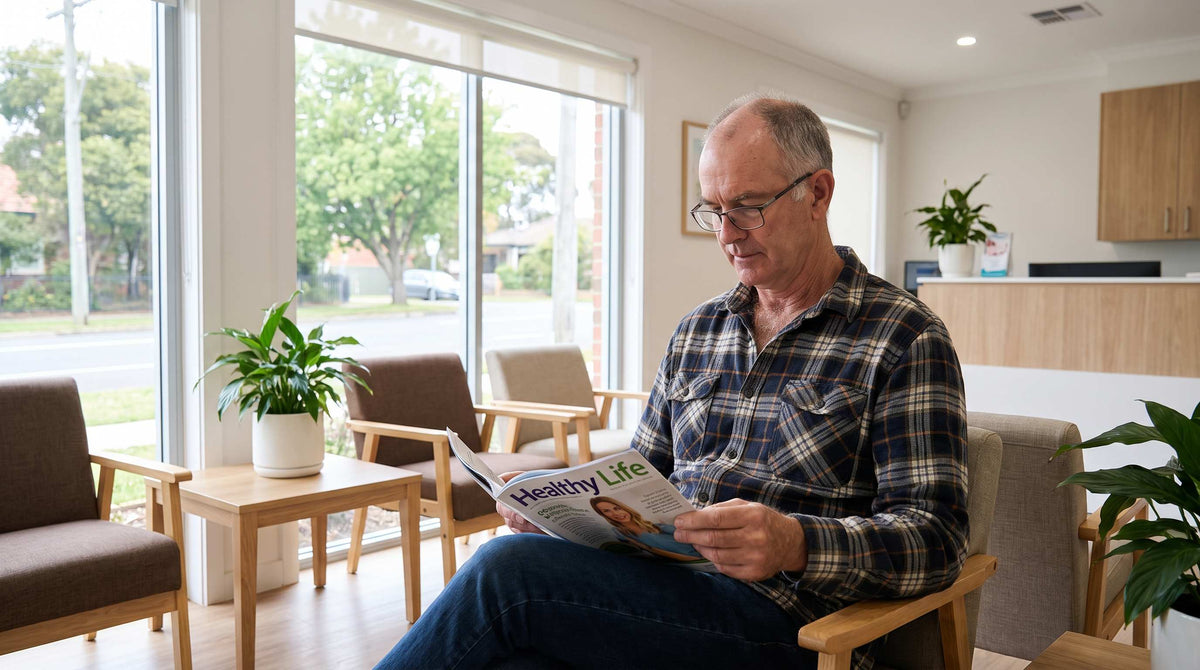
If you're an Australian man over 50, chances are your GP has mentioned a blood test that could flag early signs of prostate trouble. Understanding the link between a PSA test, prostate health and continence is vital for Australian men, because an elevated prostate-specific antigen result doesn't just raise questions about cancer—it can also be the first clue that urinary leakage may become part of your daily life. Whether you live in metropolitan Sydney or regional Queensland, knowing what the test means, what happens next and how to manage any continence changes puts you firmly in control of your health.
What is a PSA test and how does it relate to continence?
PSA stands for prostate-specific antigen, a protein produced by the prostate gland. A simple blood draw measures the level of PSA circulating in your bloodstream. While a raised reading can indicate prostate cancer, it may also point to benign prostatic hyperplasia (BPH), prostatitis or a recent urinary tract infection. The test itself doesn't diagnose cancer; it signals that further investigation—such as an MRI or biopsy—may be warranted.
So where does continence come in? The prostate sits directly below the bladder and wraps around the urethra. When the gland enlarges or is affected by disease, it can interfere with normal urine flow. Many Australian men first notice urgency, a weak stream or post-void dribbling well before they ever receive a PSA result. In other cases, it's the treatment for a prostate condition—surgery or radiation—that triggers or worsens incontinence.
Understanding this link early means you can plan ahead. The Royal Australian College of General Practitioners (RACGP) recommends that men considering a PSA test discuss both the potential benefits and the downstream effects, including the possibility of continence changes, with their doctor before proceeding.
Who is affected and why it matters across Australia
Prostate conditions are remarkably common. Cancer Council Australia reports that prostate cancer is the most commonly diagnosed cancer in Australian men, with more than 24,000 new cases expected each year. BPH is even more prevalent—affecting a significant share of men aged over 60. Both conditions carry a real risk of urinary incontinence, either from the disease itself or from treatments such as radical prostatectomy and external beam radiation therapy.
The impact stretches well beyond the bathroom. Men dealing with urinary leakage often report reduced confidence at work, reluctance to exercise and avoidance of social outings. In cities like Melbourne, Brisbane and Perth, as well as across regional Australia, many men suffer in silence because incontinence still carries stigma. Yet early action—starting with a conversation with a bulk-billing GP—can make a measurable difference to quality of life.
It's also worth noting that Aboriginal and Torres Strait Islander men, and men in rural and remote communities, may face additional barriers to accessing timely PSA testing and follow-up continence care. Telehealth services and outreach programmes have improved access in recent years, but awareness gaps remain.
The PSA test pathway: what to expect in the Australian healthcare system
In Australia, a PSA test is typically ordered by your GP and processed through a pathology lab. Under Medicare Australia, the blood test itself is covered when requested by a medical practitioner, so there's generally no out-of-pocket cost if you attend a bulk-billing pathology centre. Results usually come back within a few business days.
If your PSA level is elevated, your GP may recommend a repeat test, a digital rectal examination or a referral to a urologist. The RACGP's guidelines encourage shared decision-making—meaning your doctor should explain what each step involves, including the potential for a prostate biopsy and the small but real risk that treatment could affect your continence.
What happens after diagnosis
Should a prostate condition be confirmed, the treatment plan will depend on the type and stage. Options range from active surveillance (monitoring without immediate treatment) through to surgery, radiation or hormone therapy. Each pathway carries a different continence risk profile. For example, many men experience some degree of stress urinary incontinence in the weeks and months following a radical prostatectomy, though pelvic floor physiotherapy can significantly improve outcomes.
Your healthcare team may include a urologist, a continence nurse and a pelvic floor physiotherapist. Medicare rebates apply to many of these consultations, and your GP can create a chronic disease management plan to help cover allied health visits.
Evidence-based care pathways Australians can access
Australia has a well-structured support network for men experiencing incontinence related to prostate conditions. Here are the key steps many men find helpful:
- Visit your GP to discuss symptoms openly—bulk-billing clinics in every capital city and most regional centres make this accessible.
- Ask for a referral to a pelvic floor physiotherapist; Medicare rebates are available under a GP Management Plan.
- Contact the National Continence Helpline on 1800 33 00 66 for free, confidential advice from specialist continence nurses.
- Request a continence assessment, which can help determine the type and severity of leakage and guide treatment.
- Consider behavioural strategies such as bladder retraining, timed voiding and fluid management under professional guidance.
Pelvic floor muscle training is one of the most effective non-surgical interventions for incontinence after a prostatectomy. Research consistently shows that men who begin exercises before surgery and continue afterwards recover continence faster than those who don't. Your physiotherapist can tailor a programme and monitor progress over several months.
For men who want additional prostate support alongside their care plan, Orykas Prostate Health is a supplement designed with ingredients that may support normal prostate function. It can complement—but never replace—the advice of your medical team.
How Orykas washable incontinence underwear supports confidence
While clinical treatments work to restore continence, the reality is that many men need practical, everyday protection during recovery—or on an ongoing basis. Disposable pads can feel bulky, create waste and become expensive over time. Here's the thing: washable, ultra-absorbent incontinence underwear offers a genuine advantage.
Orykas designs underwear that looks and feels like regular briefs or trunks, with built-in absorbent layers and odour-control technology. They're discreet enough to wear under work trousers or gym shorts, and they simply go in the washing machine after use. For Australian men managing continence concerns after a PSA test and diagnosis, having reliable protection means fewer cancelled plans and less anxiety about leakage in public.
Men who are also exploring holistic approaches to prostate wellness sometimes pair their daily management routine with the Prostate Health + Libido Support Combo, which bundles targeted nutritional support into a single, convenient pack. As always, check with your GP or pharmacist before adding any supplement to your routine.
NDIS, CAPS, and funding options for Australians
Managing incontinence can carry ongoing costs, but several Australian government programmes help offset the financial burden. It's worth exploring which options you may be eligible for:
- Continence Aids Payment Scheme (CAPS) — administered by Services Australia, CAPS provides an annual payment to eligible individuals to help cover the cost of continence products, including washable underwear. You'll need an assessment from a continence professional to apply.
- NDIS plans — if you have an NDIS plan that includes consumables or assistive technology, continence products may be funded. Speak with your plan manager or support coordinator for details.
- Department of Veterans' Affairs (DVA) — eligible veterans can access continence products through DVA-funded programmes.
- Private health insurance — some extras policies contribute towards continence aids or allied health consultations such as physiotherapy. Check your policy's schedule of benefits.
- State-based programmes — certain states, including South Australia and Victoria, offer additional continence support schemes. Contact the National Continence Helpline for guidance specific to your location.
Even if you don't qualify for government assistance, the cost-per-wear of washable incontinence underwear is substantially lower than ongoing purchases of disposable pads. Many Australian men find that the upfront investment pays for itself within a few months, while also reducing landfill waste.
If you're unsure where to start, your GP or continence nurse can help you navigate available funding. The good news is that a PSA test result leading to a continence concern doesn't have to mean spiralling out-of-pocket expenses—Australia's healthcare system provides more support than many men realise.
Frequently asked questions
Is the PSA test covered by Medicare in Australia?
Yes. When your GP orders a PSA blood test, it's covered under Medicare Australia. If you attend a bulk-billing pathology collection centre, there should be no out-of-pocket cost. That said, it's always worth confirming billing arrangements at the time of your appointment.
Can a PSA test predict whether I'll develop incontinence?
Not directly. The PSA test measures prostate-specific antigen levels and may indicate a prostate condition that could, in turn, affect continence. It's the underlying condition—or its treatment—that determines your continence risk. Your urologist can provide a personalised risk assessment based on your specific diagnosis and treatment plan.
How long does incontinence last after prostate surgery?
Recovery varies widely. Many men regain good bladder control within three to six months following a radical prostatectomy, particularly with consistent pelvic floor exercises. A smaller proportion may experience longer-term leakage. Your surgical team and continence physiotherapist can give you the most accurate timeline based on your individual circumstances.
Where can I get free continence advice in Australia?
The National Continence Helpline (1800 33 00 66) is staffed by specialist continence nurses and is free to call from anywhere in Australia. You can also visit the Continence Foundation of Australia's website for fact sheets, provider directories and self-assessment tools. Your local GP remains the best first point of contact for a clinical assessment.
This article is informational and does not replace advice from your GP, a qualified continence nurse or a specialist.
Share:
Benign prostatic hyperplasia (BPH) and urinary leaks in Aussie men
Natural prostate support for Australian men: saw palmetto, pygeum and beta-sitosterol