



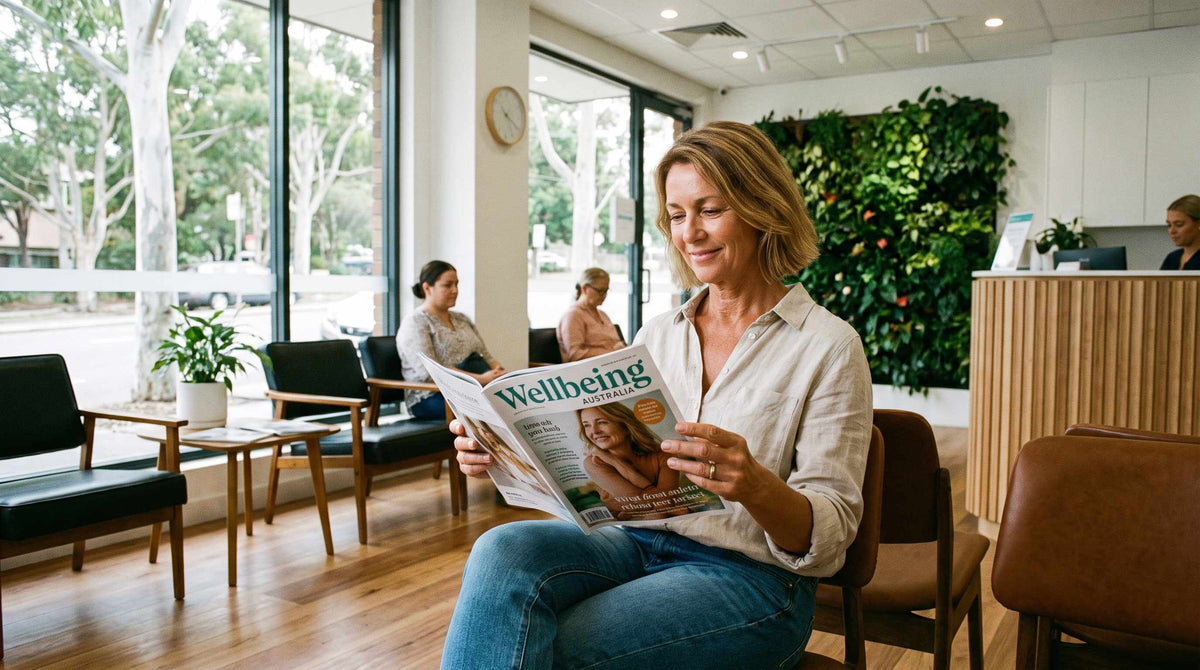
For too many women ageing with incontinence in Australia, the conversation starts with silence. A quiet adjustment at the supermarket, a skipped morning jog, a cancelled lunch date — small surrenders that chip away at confidence long before anyone speaks up. Yet bladder leakage affects a significant share of Australian women over 50, and the link between body image, ageing and continence is far more common than most of us realise. This article shares real perspectives, practical pathways and Australian-specific support so that no woman has to navigate this journey alone.
How ageing affects continence in Australian women
Urinary incontinence isn't a disease in itself — it's a symptom with well-understood causes. As women age, falling oestrogen levels weaken the pelvic floor muscles and thin the urethral lining. Pregnancy, childbirth, menopause and hysterectomy each add cumulative strain. For many Australian women, these changes begin in their 40s and become more noticeable through the 50s and beyond.
The two most common types are stress incontinence — leaking when you cough, sneeze, laugh or exercise — and urge incontinence, sometimes called overactive bladder, where the need to go comes on suddenly and urgently. A third pattern, mixed incontinence, combines both. Recognising which type you experience is the first step toward the right support.
Signs to watch for include:
- Leaking urine when lifting, laughing, sneezing or during physical activity
- A sudden, intense urge to urinate that's difficult to defer
- Needing to visit the toilet more than eight times a day
- Waking more than once a night to urinate (nocturia)
- Avoiding social outings, exercise or intimacy because of worry about leaks
None of these signs is something you simply have to "put up with." The Continence Foundation of Australia emphasises that incontinence is common, but it's not an inevitable part of getting older — and effective help exists at every stage.
Body image, self-worth and the silence around leakage
What rarely makes it into clinical brochures is the emotional toll. Women across Sydney, Melbourne, Brisbane and regional Australia describe a familiar pattern: embarrassment leads to withdrawal, withdrawal erodes self-esteem, and diminished self-esteem makes it harder to seek help. Beyond Blue notes that anxiety and depression frequently co-exist with chronic health conditions, and incontinence is no exception.
Many women say they feel "less themselves" — not because leakage is physically painful, but because it collides with deeply held ideas about femininity, cleanliness and control. A mum in Adelaide might stop attending her daughter's netball games; a retired teacher in Perth might cancel her volunteer shift at the local library. These aren't trivial losses. They reshape daily life.
Breaking the silence matters. When women share their stories — whether with a trusted friend, a GP or an online community — the sense of isolation often lifts. Reading experiences from other Australian women can be a powerful first step, and the Women's Customer Reviews page offers honest, relatable accounts from women who've found practical solutions.
Why language matters
The words we use shape how we feel. Phrases like "adult nappies" or "leaky bladder" carry stigma that discourages women from seeking help. Health professionals increasingly prefer terms like "continence products" or "absorbent underwear" because they normalise the experience and centre dignity. Choosing language that respects the wearer — rather than reducing her to a symptom — is a small but meaningful shift.

Who it affects and why it matters across Australia
Incontinence doesn't discriminate by postcode, income or background. The Continence Foundation of Australia reports that a substantial number of Australians experience bladder or bowel control problems, with women significantly more likely to be affected than men. The prevalence rises with age, but younger women — particularly those who've recently given birth — are also at risk.
In regional and remote Australia, access to specialist continence services can be limited. Women in these areas may rely on telehealth consultations or travel considerable distances to see a pelvic floor physiotherapist. Understanding the care pathways available — and the funding that supports them — is essential for women managing incontinence as they age, wherever they live across Australia.
Culturally and linguistically diverse communities face additional barriers, including language, stigma rooted in cultural norms, and unfamiliarity with the Australian healthcare system. The National Continence Helpline on 1800 33 00 66 offers free, confidential advice and can connect callers with interpreter services.
Evidence-based care pathways Australians can access
Australia has a well-structured healthcare system that supports women with incontinence at every level. The key is knowing where to start and what to ask for.
- Start with your GP. A bulk-billing GP or your regular family doctor can assess your symptoms, rule out underlying conditions such as urinary tract infections or diabetes, and refer you onward. Under Medicare Australia, GP consultations and many specialist referrals are subsidised or fully covered.
- Pelvic floor physiotherapy. The RACGP (Royal Australian College of General Practitioners) guidelines recommend pelvic floor muscle training as a first-line treatment for stress and mixed incontinence. A referral from your GP may attract a Medicare rebate, and some private health funds cover physiotherapy visits.
- Continence nurse advisors. These specialist nurses can develop a personalised bladder-training programme, advise on fluid management and recommend appropriate continence products.
- Specialist referral. For more complex cases, your GP may refer you to a urogynaecologist or urologist. Procedures range from minimally invasive options to surgery, depending on the type and severity of incontinence.
- Mental health support. If incontinence is affecting your mood or daily functioning, your GP can create a Mental Health Treatment Plan under Medicare, giving you access to subsidised sessions with a psychologist or counsellor.
Here's the important message: you don't need to solve this alone. A coordinated approach — combining physical therapy, behavioural strategies and the right products — tends to deliver the best outcomes for women managing incontinence as they age in Australia.
How Orykas washable incontinence underwear supports confidence
Disposable pads have their place, but many Australian women are turning to washable incontinence underwear for comfort, sustainability and discretion. Orykas designs its products to look and feel like regular lingerie — because dignity should never be an afterthought.
The Women's Lace-Waistband Washable Incontinence Pants feature a built-in absorbent layer that handles light to moderate leakage without the bulk of a disposable pad. They're machine washable, quick-drying and designed to be worn all day with confidence — whether you're heading to a yoga class in Melbourne or running errands in suburban Brisbane.
For women who prefer to stock up, the 3-Pack Black High-Waist Lace Incontinence Briefs offer a practical multi-pack option in a flattering high-waist cut. Having several pairs in rotation means you've always got a fresh pair ready, reducing laundry stress and ensuring you're never caught short.
What women consistently say about washable incontinence underwear is that it changes how they feel about themselves. When the product you're wearing looks like something you'd choose — not something you have to tolerate — the psychological shift is real. It's one piece of a broader strategy, sitting alongside pelvic floor exercises, GP support and lifestyle adjustments.
NDIS, CAPS and funding options for Australians
Managing incontinence can involve ongoing costs, but several Australian Government programmes help offset the expense:
- Continence Aids Payment Scheme (CAPS): Administered by Services Australia, CAPS provides an annual payment to eligible Australians to help cover the cost of continence products. You'll need a signed assessment from a continence professional or GP to apply.
- NDIS plans: Participants in the National Disability Insurance Scheme may have continence products and related supports funded as part of their plan. Speak with your NDIS planner or support coordinator about including these items.
- Department of Veterans' Affairs (DVA): Eligible veterans and war widows/widowers can access continence products through DVA-funded programmes.
- State and territory programmes: Some states offer additional aids and equipment schemes. Your local continence service or the National Continence Helpline can advise on what's available in your area.
Washable incontinence underwear like Orykas products can be a cost-effective long-term choice. Because they're reusable, the per-wear cost is substantially lower than disposables over time — an important consideration for women on a fixed income or those not yet eligible for government assistance.
Frequently asked questions
Is incontinence a normal part of ageing for women?
Incontinence becomes more common as women age, but it's not something you must simply accept. The Continence Foundation of Australia stresses that effective treatments and management strategies exist for women at every stage of life. A GP or continence nurse can help you find the right approach.
When should I see a doctor about bladder leakage?
If leakage is affecting your daily activities, sleep, social life or emotional wellbeing, it's time to talk to your GP. There's no threshold of severity you need to reach before seeking help. Early intervention — including pelvic floor physiotherapy and behavioural strategies — often produces the best results for women experiencing incontinence as they age.
Are washable incontinence pants really absorbent enough?
Modern washable incontinence underwear is designed with multi-layer technology that wicks moisture, neutralises odour and holds a meaningful amount of liquid. Products like those from Orykas are suited to light and moderate incontinence. For heavier leakage, they can be paired with a booster pad or used as backup protection alongside other strategies recommended by your continence nurse.
How do I access CAPS funding for continence products?
To access the Continence Aids Payment Scheme, you need a completed assessment form signed by an eligible health professional — usually a GP, continence nurse or specialist. The form is submitted to Services Australia, and if approved, you receive an annual payment to put toward continence aids of your choice, including washable underwear. Call the National Continence Helpline on 1800 33 00 66 for step-by-step guidance.
This article is informational and does not replace advice from your GP, a qualified continence nurse or a specialist.
Share:
Interstitial cystitis in Aussie women: what continence specialists suggest
Talking to your GP about bladder leaks: an Australian woman's script