



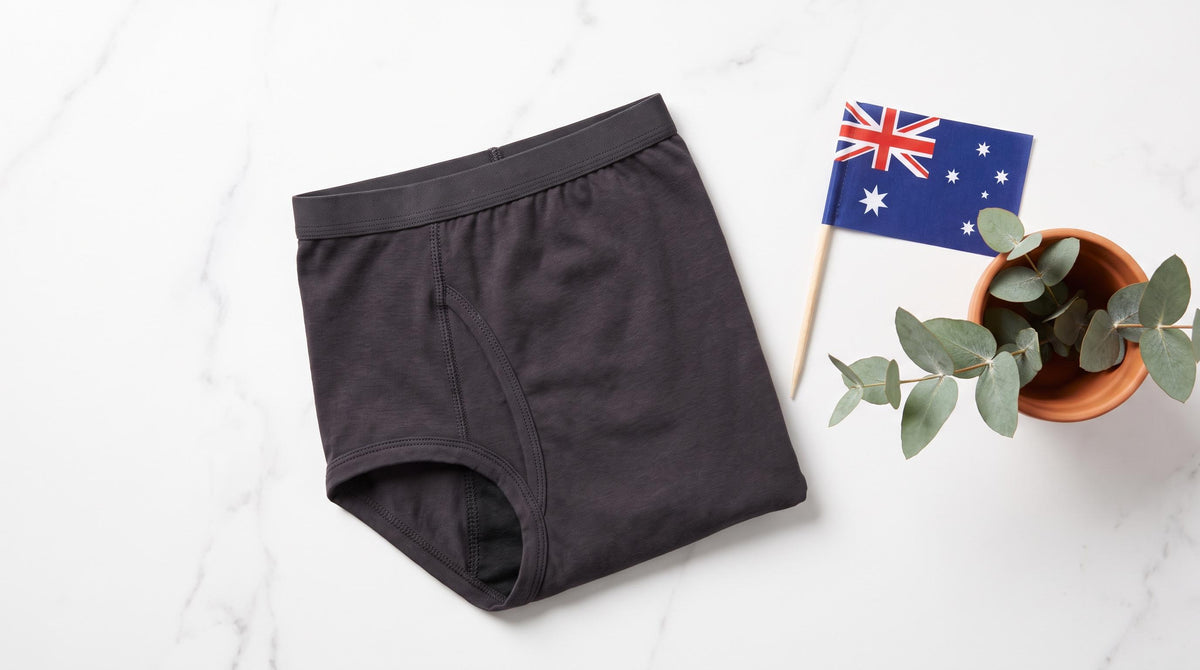
If you're one of the many Australian women quietly managing bladder leaks, you're far from alone — and learning how to choose incontinence knickers in Australia can be the first step towards feeling comfortable and confident again. Whether you're navigating post-partum recovery in Brisbane, managing menopause-related changes in Melbourne, or simply looking for a discreet everyday solution from regional Australia, the right pair of absorbent underwear can transform your daily routine. This guide walks you through causes, care pathways, funding options, and what to look for when selecting washable incontinence underwear that suits your body and your lifestyle.
Understanding urinary incontinence: causes and signs Australian women should know
Put simply, urinary incontinence is the involuntary loss of urine — it can range from a few drops when you cough or sneeze (stress incontinence) to a sudden, intense urge that's difficult to control (urge incontinence). Many women experience a combination of both, known as mixed incontinence. These symptoms can appear at any age but become more common after pregnancy, during perimenopause, and in later life.
Common causes include weakened pelvic floor muscles following childbirth, hormonal shifts related to falling oestrogen levels, chronic conditions such as diabetes, and even certain medications. Lifestyle factors — including high-impact exercise, obesity, and chronic constipation — can also contribute. Recognising the signs early means you can seek help sooner rather than silently managing on your own.
The Continence Foundation of Australia estimates that a significant share of Australian women will experience some form of incontinence during their lifetime. Despite how common it is, many women wait years before discussing it with a healthcare professional, often because of embarrassment or the misconception that leaks are simply something you have to live with.
Who it affects and why it matters across Australia
Incontinence doesn't discriminate by postcode. Women in Sydney, Perth, Adelaide, and towns right across regional Australia deal with the same challenges — yet access to specialist continence services can vary widely depending on where you live. For women in remote or rural areas, telehealth consultations and reliable online shopping for continence products have become essential.
The impact extends well beyond the physical. Many women report avoiding social outings, limiting exercise, or feeling anxious about odour and visible leaks. This can lead to social isolation, reduced fitness, and a decline in mental wellbeing. Choosing the right incontinence knickers isn't just a practical decision; it's an investment in your quality of life.
It matters, too, because the financial burden of disposable pads and liners adds up quickly. A reusable, washable option can significantly reduce ongoing costs while also being kinder to the environment — a consideration that resonates with many eco-conscious Australian women.
Evidence-based care pathways Australians can access
The good news is that urinary incontinence is highly treatable. Your first step should be a conversation with your GP. Under Medicare Australia, you can access bulk-billing GPs who can assess your symptoms, rule out underlying conditions, and refer you to a specialist or continence physiotherapist. The Royal Australian College of General Practitioners (RACGP) includes incontinence management in its clinical guidelines, so your doctor will be well-equipped to help.
Pelvic floor physiotherapy is one of the most effective, evidence-based treatments for stress and mixed incontinence. A qualified women's health physiotherapist can design a tailored exercise programme, and many of these sessions are partially covered under Medicare with a GP referral and a chronic disease management plan. Some private health insurance policies also cover physiotherapy visits.
When to seek specialist help
If initial treatments don't deliver results, your GP may refer you to a urogynaecologist or a continence nurse specialist. These professionals can offer advanced assessments such as urodynamic testing and discuss options including medication, pessaries, or surgical interventions where appropriate. You can also call the National Continence Helpline on 1800 33 00 66 for free, confidential advice from continence nurse advisors — it's a fantastic resource available to all Australians.

How to choose incontinence knickers that suit your needs
When you're ready to choose incontinence knickers for everyday wear, there are several factors worth considering. Not all products are created equal, and finding the right fit depends on your level of leakage, your body shape, your activity level, and your personal style preferences. Here's what to look for:
- Absorbency level: Light absorbency suits occasional dribbles, while moderate to heavy options are designed for more significant leakage. Match the product to your typical day — you may need different levels for exercise versus overnight wear.
- Fit and comfort: Look for knickers with a snug but comfortable fit around the legs and waist to prevent leaks. High-waisted designs can offer extra tummy support and security.
- Fabric and breathability: Quality incontinence underwear uses moisture-wicking, breathable fabrics that keep skin dry and reduce the risk of irritation or infection.
- Washability and durability: Reusable knickers should withstand regular machine washing without losing absorbency or shape. Check care instructions before purchasing.
- Discreet appearance: Modern incontinence underwear looks and feels like regular knickers. Lace details, neutral colours, and sleek cuts mean nobody needs to know.
The Orykas range has been designed with all of these factors in mind. For women who prefer a secure, full-coverage fit, the Women's High-Waisted Washable Incontinence Pants offer a high-rise waistband that sits comfortably under clothing. If you'd like something with a touch of elegance, the Women's Lace-Waistband Washable Incontinence Pants combine feminine lace detailing with reliable protection.
For those who value a more fashion-forward silhouette, the Women's Side-Lace Washable Incontinence Pants offer a modern look without compromising on absorbency. And if you're managing heavier leakage, the Women's Washable Incontinence Pants for Heavy Leakage are built with an ultra-absorbent core for maximum confidence. You can browse the full collection of Women's Washable Incontinence Underwear to compare options side by side.
NDIS, CAPS and funding options for Australians
Managing incontinence can come with real costs, but several Australian government programmes exist to help. Getting across what's available could save you hundreds of dollars each year and ensure you're not going without the products you need.
The Continence Aids Payment Scheme (CAPS), administered by Services Australia, provides an annual payment to eligible individuals to help cover the cost of continence products. To qualify, you generally need a confirmed diagnosis from a medical professional and must meet certain residency and clinical criteria. Your GP or continence nurse can help you complete the application.
For women with a disability that contributes to their incontinence, the National Disability Insurance Scheme (NDIS) may fund continence-related supports as part of a broader plan. This can include both products and access to allied health professionals such as continence physiotherapists. Have a chat with your NDIS planner or support coordinator to explore what might be included.
Other avenues worth exploring include:
- State and territory continence schemes: Some states offer additional subsidies or equipment programmes — check with your local health department.
- Private health insurance extras: Depending on your policy, you may be able to claim physiotherapy or aids and appliances.
- Department of Veterans' Affairs (DVA): Eligible veterans and their dependants can access continence products through DVA.
- Tax deductions: In some cases, out-of-pocket medical expenses related to incontinence management may be relevant to your tax return — it's worth checking with your accountant.
Practical tips for choosing incontinence knickers in Australia
Beyond absorbency and fit, a few practical things can help you choose incontinence knickers in Australia with confidence. Here's one many women overlook: climate. In tropical Queensland or during a Perth summer, breathable fabrics become even more important to prevent heat rash and discomfort.
It's also worth thinking about your wardrobe. If you regularly wear fitted dresses or activewear, look for knickers with a seamless or low-profile design that won't show through fabric. Many women find it helpful to own several pairs in rotation so they've always got a clean pair ready, even on busy laundry weeks.
Colour choice can matter, too. Darker shades can offer additional peace of mind, especially on days when you're less certain about your leakage patterns. And don't underestimate the psychological boost of wearing incontinence underwear that genuinely looks attractive — it can make a real difference to how you feel about yourself.
Frequently asked questions
How do I know which absorbency level I need?
Start by keeping a simple bladder diary for a few days, noting when leaks happen, how much urine you lose, and what triggers them (coughing, exercise, urgency). Light absorbency suits a few drops, moderate covers a small gush, and heavy absorbency is designed for more significant loss. If you're unsure, your GP or a continence nurse can help you assess — you can also phone the National Continence Helpline on 1800 33 00 66 for guidance.
Can I choose incontinence knickers that look like regular underwear?
Absolutely. Modern washable incontinence knickers are designed to look and feel just like everyday underwear. Options now include lace trims, high-waisted silhouettes, and a range of colours. The days of bulky, clinical-looking products are well and truly behind us, and most people find that today's designs are virtually indistinguishable from standard knickers.
Are washable incontinence knickers hygienic?
Yes, when cared for properly. Most quality washable incontinence underwear can be machine washed at 40°C or higher, which is sufficient to remove bacteria and odour. Look for products with antimicrobial fabric treatments for an extra layer of freshness. Always follow the manufacturer's care instructions, and avoid fabric softeners, which can reduce absorbency over time.
Am I eligible for government funding to help with the cost?
You may be. The Continence Aids Payment Scheme (CAPS) through Services Australia provides financial assistance to eligible Australians with permanent or long-term incontinence. NDIS participants may also be able to include continence products in their plans. Your GP, continence nurse, or NDIS planner can walk you through the eligibility criteria and application process specific to your circumstances.
This article is informational and does not replace advice from your GP, a qualified continence nurse or a specialist.
Share:
Caffeine, alcohol and the overactive bladder: an Australian dietitian's advice
Washable vs disposable pads for women: 2026 Australian comparison