



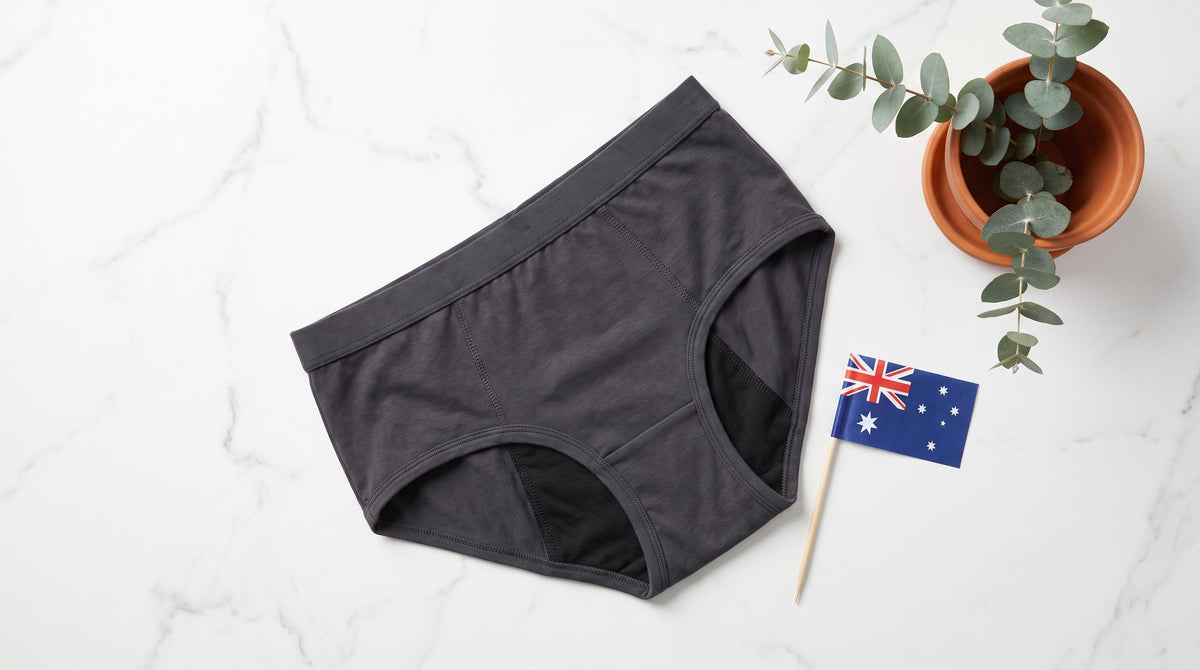
Living with urinary incontinence is more common among Australian men than many realise — yet finding the right protection can still feel like a guessing game. When your absorbent incontinence underwear for men is not performing as it should, the signs can start subtly before quickly becoming disruptive to your confidence, comfort, and daily routine. Whether you're managing post-prostatectomy leakage, overflow incontinence, or stress-related drips, this guide will help you recognise the eight warning signs that it's time to upgrade your protection.
1. You're leaking through to your outer clothing
This is the most obvious sign, but it's worth naming plainly: if urine is reaching your trousers, shorts, or pyjamas, your current underwear is simply not doing its job. Some men dismiss a single episode as a one-off, but if it happens more than once a week, the absorbency level of your product has been exceeded.
Leakage through to outer clothing is one of the primary reasons men contact the National Continence Helpline on 1800 33 00 66. Trained advisers there can help you assess your leakage volume and guide you toward the right absorbency rating. Many men are surprised to learn that not all incontinence products are created equal — the difference between light, moderate, and heavy absorbency can be substantial.
If you're dealing with frequent clothing leakage, it may be worth exploring a dedicated option like Orykas' men's washable incontinence briefs, which are designed with a multi-layer absorbent core built for exactly this kind of challenge.
2. You feel constantly damp or wet throughout the day
Incontinence underwear should lock moisture away from your skin and keep you feeling dry. If you're spending your day aware of persistent wetness against your body, it's a clear signal that the product's moisture-wicking layer is either saturated or poorly designed from the outset.
Constant dampness isn't just uncomfortable — it creates ideal conditions for skin breakdown, chafing, and fungal infections. Men who spend long hours on their feet, whether working in construction in Brisbane or farming in regional New South Wales, are particularly vulnerable to skin problems when moisture isn't properly managed throughout the day.
A quality garment will use a stay-dry top layer that pulls moisture away from the skin and pushes it into the absorbent core, so the surface in contact with your body remains dry even after a leak. If yours doesn't do this, the technology simply isn't up to the task.
3. You're changing more than two or three times a day
Having to change your incontinence underwear excessively throughout the day is both inconvenient and costly. While everyone's leakage pattern differs, a well-designed product at the appropriate absorbency level should comfortably manage a full day's activities without needing constant replacement.
If you use reusable underwear and find that even freshly laundered garments are reaching capacity by mid-morning, you likely need to step up to a higher absorbency rating or a garment with a larger capacity core. Many men start with light-absorbency products when their condition actually calls for something more robust — often because they're reluctant to acknowledge the volume of their leakage.
It's also worth factoring in your fluid intake and any medications you're taking. Diuretics, for example, can significantly increase urine output. Speaking with a bulk-billing GP or a continence nurse can help you determine whether the problem lies with the product or with an underlying change in your condition that deserves medical attention.
4. You notice persistent odour despite regular changes
Why odour control matters more than you think
A poorly absorbent garment traps moisture close to the surface rather than locking it into an inner core. When urine sits near the skin or fabric surface, it breaks down and produces ammonia — the sharp smell many men associate with incontinence. If you're noticing odour despite changing regularly and laundering carefully, the garment's ability to neutralise and contain urine may be inadequate.
The best garments incorporate odour-neutralising technology within the absorbent layers themselves, not just surface treatments. The distinction matters: surface treatments wash out after a few cycles, while built-in technology continues to work wash after wash, maintaining freshness over the garment's full lifespan.
Laundry habits also play a role. If you're washing reusable incontinence underwear in regular detergent at a low temperature, you may not be fully breaking down residual urine. Orykas' antibacterial laundry sheets are formulated to tackle bacteria and odour-causing residues at standard washing temperatures, which can extend both the life and freshness of your garments significantly.
5. You're experiencing skin irritation, rashes, or breakdown
Persistent skin irritation in the groin or inner thigh area is a serious sign that your incontinence underwear is failing to protect you properly. When moisture is not drawn away from the skin, the combination of urine, warmth, and friction creates a perfect environment for contact dermatitis, rashes, and in more serious cases, skin breakdown.
The Continence Foundation of Australia recognises skin health as a core concern for people managing incontinence. Men who are older, have reduced mobility, or spend extended periods seated — including those receiving NDIS-funded support in aged care settings — are at significantly higher risk of skin breakdown when moisture management is inadequate.
If you're experiencing irritation, don't push through it. Switch to a higher-absorbency product, consult your GP or continence nurse, and assess whether your current garment has adequate breathability. Good-quality incontinence underwear should leave your skin feeling as dry and comfortable as regular underwear throughout the day.
6. The underwear shifts, bunches, or loses its shape
Physical fit matters just as much as absorbency. If your incontinence underwear migrates during movement — during a round of golf in Adelaide, a walk along the foreshore in Perth, or simply moving around the house — it can create gaps in coverage that lead to leakage in unexpected places.
Bunching and shifting are often signs that a garment has lost its elasticity through repeated washing, or was never fitted correctly in the first place. Men tend to be underfitted for incontinence products — many grab the largest size assuming it will be more comfortable, when in fact a snug, body-conforming fit is essential for channelling leakage into the absorbent core rather than around it.
- Always check the sizing chart before purchasing and measure your waist and hips accurately.
- Look for garments with reinforced leg elastics that prevent gaping at the thighs.
- Choose designs with a flat waistband rather than thick elastic that digs in over time.
- Opt for a boxer-style design if you find brief cuts uncomfortable or restrictive.
- Replace garments as soon as elasticity begins to degrade visibly — they won't recover.
For men who prefer a familiar boxer cut, the Orykas 3-pack ultra-absorbent black boxer shorts offer a discreet, everyday silhouette with a secure fit and meaningful absorbency — a solid starting point if you've been struggling with shifting or bunching in brief-style options.
7. You're avoiding activities or social situations
When your underwear consistently lets you down, the natural response is to start withdrawing. You might decline a trip to the cricket in Melbourne with mates, skip the gym, or avoid long drives to visit family in regional Queensland — all because you can't trust what you're wearing to protect you. This kind of social withdrawal is a genuine quality-of-life concern that deserves direct attention.
The answer is not simply to stay home. It's to find men's absorbent incontinence underwear that genuinely matches your leakage level, so that you can participate in life on your own terms. If your current product is making you more anxious rather than less, it's definitively not the right product for you.
Browse the full range of men's washable incontinence underwear from Orykas to compare absorbency levels, styles, and fits — finding the right match makes a genuine difference to what you're prepared to do each day.
8. You're spending far more than you should on disposables
Many Australian men default to disposable incontinence pads or pull-ups out of habit or because that's what was first recommended to them. The costs add up quickly, particularly if you're changing multiple times a day. Depending on your leakage volume, the annual outlay on disposables can run into hundreds or even thousands of dollars — money that could be better spent elsewhere.
Switching to washable incontinence underwear represents a meaningful long-term saving, especially for men managing ongoing or chronic incontinence. It's also worth knowing that the Continence Aids Payment Scheme (CAPS), administered by Services Australia, provides a contribution toward the cost of continence aids for eligible Australians who have permanent and severe incontinence. This can help offset the upfront cost of higher-quality reusable products.
- CAPS is means-tested and requires confirmation of diagnosis from a medical professional.
- NDIS participants may be able to access continence products as part of their support funding.
- Ask your bulk-billing GP to refer you to a continence nurse for a formal assessment.
- A continence nurse can provide a written recommendation that supports a CAPS application.
- The National Continence Helpline (1800 33 00 66) can advise on eligibility and guide you through the application process.
Switching to reusable products also has an environmental dimension that many Australians feel strongly about. Fewer disposables entering landfill is a real benefit alongside the financial savings.
Frequently asked questions
How do I know which absorbency level I need?
Start by estimating your average leakage volume. Light absorbency suits drips and small spurts; moderate absorbency suits larger leaks or multiple episodes per day; heavy or maximum absorbency is appropriate for significant or continuous leakage. A continence nurse can assess your specific pattern and recommend a product category. The National Continence Helpline on 1800 33 00 66 can also help you connect with a specialist in your area.
Are washable incontinence products as absorbent as disposables?
High-quality reusable options can match or exceed the absorbency of many disposable products, while offering a more comfortable and discreet fit. The key variable is the quality of the absorbent core — cheaper reusable products often use thinner padding that degrades quickly with washing. Look for garments that clearly state their absorbency capacity in millilitres and have been tested for repeated-wash performance.
Can I access government support to help pay for incontinence products?
Yes. The Continence Aids Payment Scheme (CAPS) through Services Australia provides eligible Australians with a payment to help cover the cost of continence aids. To qualify, you generally need a confirmed diagnosis of permanent and severe incontinence from a GP or specialist. NDIS participants may also be able to access continence consumables through their plans. Speak with your GP or contact the National Continence Helpline for tailored guidance on your situation.
How often should I replace my washable incontinence underwear?
Most quality washable garments are rated for a certain number of wash cycles before absorbency and elasticity begin to decline. As a general guide, if a previously reliable garment is now leaking where it didn't before, or if the elastic has visibly stretched or distorted, it's time to replace it. Following the care instructions carefully — including washing at the correct temperature and avoiding fabric softeners, which coat fibres and reduce absorbency — will maximise the useful life of your garments.
This article is informational and does not replace advice from your GP, a qualified continence nurse or a specialist.
Share:
10 sports you can still do with bladder leaks in Australia
Best absorbent underwear for men in Australia 2026: honest comparison