



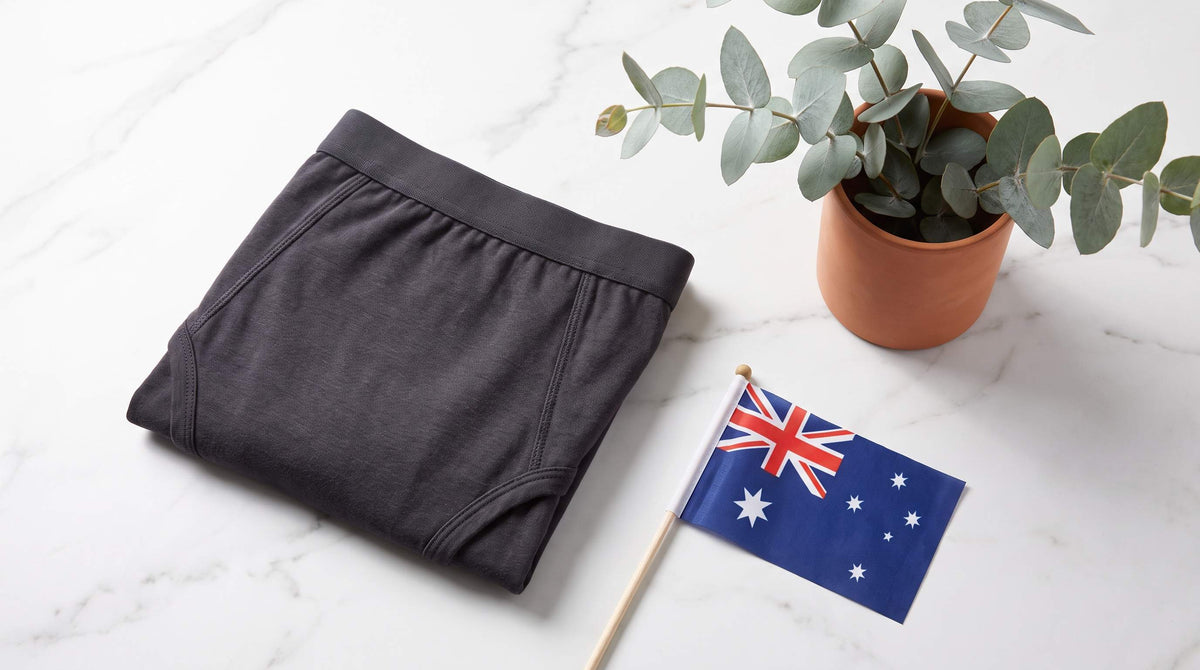
If you're an Australian man experiencing bladder leakage — whether after prostate surgery, as part of ageing, or due to a neurological condition — understanding how absorbency levels work in men's incontinence underwear is one of the most practical steps you can take toward regaining comfort and confidence. With the right product matched to your needs, incontinence becomes something you manage quietly rather than something that manages you.
Why absorbency level matters when choosing men's incontinence underwear
Not all incontinence is the same. Some men deal with a few drops when they cough, sneeze or lift something heavy. Others experience moderate leakage throughout the day, and some face heavier, less predictable episodes. The absorbency level of your incontinence underwear needs to match the volume and frequency of your leakage — otherwise you're either wearing more protection than necessary or, worse, not enough.
Choosing the wrong absorbency can lead to skin irritation, odour issues and the constant anxiety of wondering whether your protection will hold up. Get it right, though, and you can go about your day — whether that's working on-site in Brisbane, coaching weekend footy in Melbourne or catching up with mates at the local — without a second thought.
Most men's incontinence underwear is categorised into light, moderate and heavy absorbency. Light products typically handle up to 100 millilitres, moderate products manage roughly 200 to 400 millilitres, and heavy-duty options absorb 400 millilitres or more. These figures vary between brands, so it's worth checking each product's specifications before purchasing.
Common causes of urinary incontinence in Australian men
Understanding why you're experiencing leakage can help you predict how much absorbency you'll need. The Continence Foundation of Australia notes that incontinence in men is often related to prostate conditions, including benign prostatic hyperplasia (BPH), prostate cancer treatment or prostatectomy. Post-surgical incontinence is particularly common and can range from light dribbling to more significant leakage during the recovery period.
Other causes include neurological conditions such as Parkinson's disease or multiple sclerosis, diabetes-related bladder dysfunction, chronic constipation, certain medications and simply the effects of ageing on pelvic floor muscles. Lifestyle factors — carrying excess weight, heavy alcohol consumption and a sedentary routine — can also play a part.
Many Australian men put off seeking help because they feel embarrassed, but here's the thing: incontinence is far more common than most people realise. If you're unsure where to start, the National Continence Helpline on 1800 33 00 66 offers free, confidential advice from continence nurse advisors.
Stress incontinence vs. urge incontinence: what's the difference?
Stress incontinence involves leakage during physical movements — coughing, sneezing, lifting or exercising. It's common after prostate surgery and typically involves lighter, more predictable volumes. Urge incontinence, on the other hand, involves a sudden, intense need to urinate followed by involuntary loss. This type can produce larger volumes with less warning. Some men experience mixed incontinence, combining elements of both. Knowing which type you're dealing with helps you choose the right absorbency level in your men's incontinence underwear and avoid both under- and over-protection.
How to match absorbency level to your daily needs
Picking the right absorbency level for your men's incontinence underwear comes down to honest self-assessment. Try keeping a simple bladder diary for three to five days. Note when leakage occurs, what triggered it, and roughly how much you lost. This gives you a realistic picture rather than guessing.
Here's a general guide to matching your experience to the right product:
- Light absorbency: Occasional drips or dribbles — typically during physical activity, sneezing or laughing. Suitable for men who lose small volumes infrequently throughout the day.
- Moderate absorbency: Regular leakage that occurs multiple times daily, or episodes that produce more than a few drops. Common during post-surgical recovery or with early-stage urge incontinence.
- Heavy absorbency: Frequent or large-volume leakage with limited warning. Appropriate for men with advanced urge incontinence, neurological conditions or overnight protection needs.
- Overnight protection: Even men who manage well during the day may need higher absorbency for sleep, when you can't respond to urges as quickly.
Your needs may also change over time. A man recovering from a prostatectomy in Sydney might need heavy absorbency underwear for the first few weeks, then transition to moderate and eventually light as pelvic floor strength improves. Reassessing regularly ensures you're always wearing the most comfortable and appropriate option.
How Orykas washable incontinence underwear supports everyday confidence
Disposable pads and pull-ups have their place, but many Australian men find that washable incontinence underwear offers a more dignified, cost-effective and environmentally conscious alternative. Orykas designs its Men's Washable Incontinence Underwear to look and feel like regular underwear — no bulky padding, no rustling, no telltale lines under clothing.
For men with light leakage, the Absorbent Boxer for Light Leaks provides discreet protection without unnecessary bulk. It's a practical choice for active days, travel or returning to work after surgery. If you're looking for value and convenience, the 3 Pack Men's Light Leak Boxer Briefs gives you a rotation of light-absorbency underwear so you've always got a clean pair ready.
For moderate to heavy needs, the Men's Washable Incontinence Briefs and the Men's Washable Incontinence Boxer Briefs offer higher absorbency in a traditional fit. Both styles use built-in absorbent layers and a waterproof barrier to keep moisture locked away from the skin, helping to prevent irritation and odour.
Washable options also make financial sense over time. Disposable products can cost hundreds of dollars a year, while a set of quality washable underwear lasts through many wash cycles and reduces your ongoing spend considerably.
Evidence-based care pathways Australians can access
Incontinence is a medical condition, not an inevitable part of getting older, and effective treatments exist. Your first step should be a conversation with your GP. Bulk-billing clinics across Australia — from Adelaide to regional Queensland — can provide an initial assessment and referral to specialists, including urologists and continence physiotherapists.
The RACGP (Royal Australian College of General Practitioners) includes incontinence assessment in its guidelines for men's health checks. Your GP can help identify the underlying cause, recommend pelvic floor exercises, prescribe medication if appropriate or refer you for further investigation.
Evidence-based approaches to managing incontinence include:
- Pelvic floor muscle training: Targeted exercises that strengthen the muscles controlling urine flow. A continence physiotherapist can design a personalised programme and monitor your progress.
- Bladder retraining: Gradually increasing the intervals between toilet visits to improve bladder capacity and control.
- Medication: Anticholinergics or beta-3 agonists may be prescribed for urge incontinence. Some medications are available through the PBS (Pharmaceutical Benefits Scheme).
- Lifestyle modifications: Reducing caffeine and alcohol intake, managing weight, treating constipation and staying physically active all support better bladder function.
- Surgical options: For persistent cases, procedures such as a male sling or artificial urinary sphincter may be considered after conservative treatments have been tried.
Pairing the right absorbency level in your men's incontinence underwear with active treatment gives you the best of both worlds — practical day-to-day protection while you work toward improved bladder control.
NDIS, CAPS and funding options for Australians
Managing incontinence does carry costs, but several Australian Government programmes can help offset them. The Continence Aids Payment Scheme (CAPS), administered by Services Australia, provides an annual payment to eligible individuals to help cover the cost of continence products. To qualify, you generally need an assessment from a continence nurse or other health professional confirming your condition is permanent or long-term.
If you're living with a disability that contributes to incontinence, your NDIS plan may include funding for continence supports. This can cover both disposable and washable products, as well as assessments by continence professionals. Have a chat with your NDIS planner or support coordinator about including continence aids in your plan.
Veterans may also be eligible for support through the Department of Veterans' Affairs (DVA). Your GP or continence nurse can help you navigate which programme applies to your circumstances and assist with the paperwork. The good news is that choosing washable incontinence underwear with the right absorbency level can help stretch your CAPS or NDIS allocation further, since reusable products reduce the need for ongoing disposable purchases.
Frequently asked questions
How do I know which absorbency level I need?
Start by keeping a bladder diary for a few days, noting when leakage occurs and roughly how much. Light absorbency suits occasional drips during activity, moderate is appropriate for regular daily leakage, and heavy absorbency is best for frequent or large-volume episodes. If you're unsure, a continence nurse can help you assess — call the National Continence Helpline on 1800 33 00 66 for guidance.
Can I use the same absorbency level for day and night?
Not necessarily. Many men find that a lighter absorbency works well during the day when they can get to a toilet quickly, but they need to step up at night when response time is slower. It's common to use light or moderate protection during waking hours and switch to higher-absorbency men's incontinence underwear for overnight wear.
Are washable incontinence underwear as effective as disposables?
Quality washable incontinence underwear can be just as effective as disposable alternatives for managing leakage. Modern designs use multi-layer absorbent cores and waterproof barriers that lock away moisture and control odour. The key is selecting the correct absorbency level for your needs. Washable options also tend to be more comfortable, more discreet under clothing and significantly more cost-effective over time.
Will Medicare or my private health fund cover incontinence underwear?
Medicare doesn't directly cover continence products, but it does cover GP consultations and specialist referrals related to incontinence assessment and treatment. The CAPS programme through Services Australia provides a separate annual payment specifically for continence aids. Some private health funds include continence products under their extras cover — it's worth checking with your provider. NDIS participants may also have continence supports funded within their plan.
This article is informational and does not replace advice from your GP, a qualified continence nurse or a specialist.
Share:
Washable vs disposable pads for men: the 2026 Australian comparison
Caring for your Orykas absorbent underwear: an Australian laundry guide