



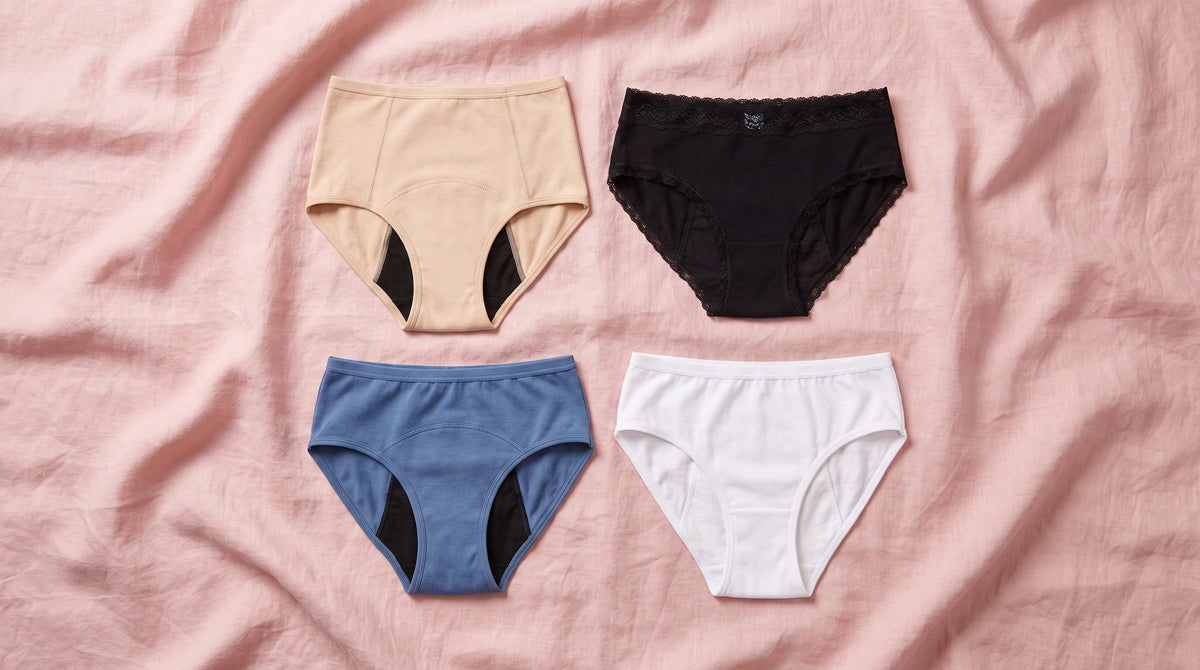

For the millions of Australian women navigating urinary leakage every day, finding the right product can feel overwhelming but the conversation is finally changing. If you've been searching for the best washable incontinence underwear women Australia has to offer, you're not alone: the Continence Foundation of Australia estimates that incontinence affects more than five million Australians, and the majority are women. Modern reusable options have come a long way from the bulky, crinkle-sounding garments of the past, and today's washable styles sit comfortably under everyday clothing while managing anything from a light stress-leak to a heavier flood episode.
What to look for in washable incontinence underwear
Not all absorbent underwear is created equal, and the wrong choice can leave you feeling damp, uncomfortable, or self-conscious. Before you buy, it pays to understand the core features that separate a genuinely effective garment from one that simply looks the part. The Continence Foundation of Australia recommends discussing your leakage pattern with a continence nurse or GP before committing to a product, because the right absorbency level depends heavily on how much you leak and how often.
Fabric and construction are the two biggest factors. Look for a gusset that contains multiple absorbent layers typically a moisture-wicking inner, an absorbent core, and a leak-resistant outer. Some brands achieve this with microfibre or bamboo blends; others use technical fabrics originally developed for sportswear. The key is that liquid should move away from your skin quickly, keeping you feeling dry rather than sitting in moisture. Odour control is a closely related concern: quality absorbent underwear traps ammonia compounds within the core rather than letting them evaporate into the air.
Fit is just as important as absorbency. A garment that gaps at the legs or slides down at the waist will leak at the edges regardless of how good its core is. When reviewing sizing charts, measure your hips and waist and compare both figures to the brand's guide don't simply assume your usual clothing size will transfer. Women who carry weight through the abdomen after pregnancy or later in life often find that a high-waisted style of washable incontinence pants offers a more secure seal and a smoother silhouette under clothing.
Understanding absorbency levels

Absorbency ratings across different brands can be confusing because there's no single Australian standard for measuring them. Manufacturers typically express capacity in millilitres, but real-world leakage varies enormously depending on bladder pressure, activity level, and whether leakage is a slow dribble or a sudden gush. As a rough guide, light absorbency garments (up to around 50 ml) suit women with occasional stress leakage triggered by coughing, sneezing, or exercise. Moderate options (50150 ml) work well for overactive bladder episodes or mixed incontinence. For women experiencing heavier or more frequent leakage, a dedicated high-absorbency style is worth considering.
Orykas offers a clear example of the high end of the spectrum: their ultra-absorbent knickers designed for heavy leakage are built for women whose leakage exceeds what lighter products can handle, without reverting to the disposable pad-and-separate-underwear combination that many women find frustrating to manage. The multi-layer gusset in styles like this is usually noticeably thicker than light-to-moderate options, so it's worth trying a pair before committing to a larger order.
Night-time versus daytime needs
Many women find that their night-time leakage pattern differs significantly from what happens during the day. Lying down can change how the bladder drains, and some women experience more frequent urge episodes overnight due to hormonal shifts related to oestrogen decline after menopause. A dedicated night-time style typically with a longer, wider absorbent panel that runs further front to back can make a meaningful difference to sleep quality. If you're finding that daytime underwear isn't cutting it overnight, it's worth trialling a product specifically rated for extended wear.
For everyday wear, comfort and discretion usually take priority. Many women describe the ideal daytime garment as one that looks and feels like regular underwear from the outside. This is where design details like a lace waistband or side-lace trim become more than cosmetic: they signal that the garment was designed to feel like lingerie rather than a medical device, which matters enormously for confidence. The lace-waistband style from Orykas is a good illustration of how functional and feminine design can coexist in the same garment.

Comparing styles: which cut suits you best?
The cut of an incontinence garment affects both its absorbent performance and how it sits under your clothes. The most common styles available in Australia include full-brief, high-waisted brief, and bikini-style options, each with slightly different coverage and containment profiles. Understanding the trade-offs helps you narrow down your shortlist before buying.
- Full brief: Maximum coverage, easiest to keep in place through the day, tends to offer the most consistent leak protection around the leg openings.
- High-waisted brief: Extra waistband height provides tummy support and helps anchor the garment popular with women who have diastasis recti or a softer abdomen post-pregnancy.
- Lace-waistband style: Combines the coverage of a full brief with decorative trim that makes the garment feel less clinical and more like everyday underwear.
- Side-lace style: A design detail that adds stretch and comfort at the hip, useful for women who find standard elastic cuts into the skin.
- Bikini/hipster cut: Lower rise, sits below the navel suitable for lighter leakage where coverage around the upper abdomen is not needed.
If you're uncertain which cut to start with, the full Orykas women's range allows you to compare all available styles side by side, which is easier than trying to cross-reference different products from different brands. For women who want the feminine look of lace without sacrificing the secure fit of a broader waistband, the side-lace washable style threads that needle particularly well.
Cost breakdown for Australian buyers
One of the most compelling arguments for washable incontinence underwear is the long-term cost saving over disposable products. A single pair of quality reusable underwear may cost between $35 and $65 at retail, which sounds steep compared to a pack of disposable pads. However, a garment that lasts 150500 wash cycles (with proper care) spreads that initial outlay across two to three years of use. A woman who currently spends $30$50 per month on disposable products can realistically recover the cost of a small rotation of washable underwear within a few months.
There are also Australian financial assistance schemes worth knowing about. The Continence Aids Payment Scheme (CAPS), administered by Services Australia, provides an annual payment to eligible Australians to help cover the cost of continence aids. As of 20252026, this amount is indexed annually and can be used toward the purchase of washable or disposable continence products. Eligibility is based on medical assessment, and applications are processed through Services Australia. It's worth noting that washable underwear must meet CAPS product criteria to be claimable, so check with your continence nurse or GP before assuming a specific product qualifies.
For women on NDIS plans, continence products may be funded under the Consumables support category, provided they're linked to a disability-related need and included in your NDIS plan. Speak to your NDIS planner or Local Area Coordinator about what's covered. Women who don't meet NDIS criteria but still face financial hardship accessing continence products may also find support through community health services in major cities like Melbourne, Brisbane, and Perth, as well as through regional health networks in country areas. The National Continence Helpline available on 1800 33 00 66 can provide personalised guidance on local services and funding options at no cost.
How Orykas fits into the Australian market
The Australian market for washable incontinence underwear has grown considerably in recent years, with options ranging from supermarket own-brand products through to imported European styles and locally focused brands. Orykas sits in the premium segment, with a focus on higher absorbency capacities, considered design details, and an entirely washable construction meaning no disposable inserts or liners are needed.
What distinguishes the Orykas range for many Australian women is the combination of genuine absorbency with a silhouette that doesn't broadcast its purpose. The fabrics are soft against the skin, the sizing runs to generous proportions to accommodate a realistic spread of body shapes, and the range is available in styles suited to both daytime and heavier overnight use. Delivery is available Australia-wide, which matters for women in regional and rural areas where specialist continence product retailers may not be easily accessible.
That said, no single product works for every woman. Women with very high-volume leakage, complex anatomy (for example, post-surgical or post-radiation bladder changes), or significant mobility limitations may need products or techniques beyond what washable underwear alone can provide. The RACGP recommends that women experiencing new or worsening incontinence seek assessment from a GP or continence specialist rather than self-managing indefinitely with containment products a diagnosis can sometimes reveal treatable causes, from pelvic floor dysfunction to urinary tract infections to medication side effects.
Caring for your washable underwear
Proper laundering is the single most important factor in extending the life of washable incontinence underwear. Most quality garments can be machine washed at 40C on a gentle cycle, but a few care habits will significantly extend their useful life and maintain absorbency.
- Rinse the garment in cold water immediately after use to flush out urine before it sets into the fibres.
- Use a mild, fragrance-free detergent harsh detergents and fabric softeners can clog the absorbent core over time.
- Avoid tumble drying on high heat, which can damage elastic and degrade absorbent materials; air drying is preferred.
- Do not use bleach or chlorine-based products, as these break down technical fabrics faster than normal wear.
- Wash dark colours separately for the first few washes to prevent dye transfer to lighter items.
- Replace garments when absorbency noticeably decreases or when elastic no longer provides a snug fit typically every two to three years with regular use.
A practical rotation of three to five pairs means you always have clean underwear available even when some are drying, without needing a very large initial outlay. Starting with two or three pairs to confirm fit and absorbency before buying more is a sensible approach.
Frequently asked questions
Are washable incontinence underpants as effective as disposables?
For many women, yes particularly for light to moderate leakage. Modern washable styles use multi-layer absorbent cores that are comparable in performance to mid-range disposable pads for everyday use. For very heavy or unpredictable leakage, some women choose to combine washable underwear with an additional disposable insert for high-risk moments, or to use disposables only when travelling. The Continence Foundation of Australia supports washable options as a legitimate and sustainable choice for eligible users.
Can I claim washable incontinence underwear through CAPS or the NDIS?
Potentially, yes. The Continence Aids Payment Scheme (CAPS) through Services Australia provides annual payments to eligible Australians, and some washable continence products meet the scheme's criteria. NDIS participants may also be able to claim continence products under the Consumables support category if the need is documented in their plan. Eligibility for both schemes requires a medical assessment, so speak to your GP, a continence nurse, or contact the National Continence Helpline on 1800 33 00 66 to understand what applies to your situation.
How do I know which absorbency level to choose?
A bladder diary a record of your fluid intake, toilet visits, and leak episodes over two to three days is one of the most useful tools for understanding your pattern. Your GP, practice nurse, or a continence nurse can help you interpret the diary and match it to an appropriate absorbency level. As a starting point: if you typically experience small leaks from coughing or sneezing, a light to moderate absorbency garment is likely sufficient. If you experience urgency leakage or regularly soak through lighter products, a moderate to heavy absorbency option is worth trialling. Many women find their needs change over time, particularly around menopause and after pelvic surgeries.
Will washable incontinence underwear look different under clothes?
With a well-fitted pair, the answer is generally no. The absorbent panel adds some thickness to the gusset area, but a garment that fits correctly and sits flat at the waistband and leg openings isn't visibly different under most everyday clothing including fitted trousers and skirts. Choosing the right cut for your body shape helps: for example, women who find standard briefs ride up or gap at the legs often find that a high-waisted or side-lace style sits more smoothly. If discretion under activewear or close-fitting clothing is a priority, look for styles described as seamless or flat-seamed at the outer edges.
This article is informational and does not replace advice from your GP, a qualified continence nurse or a specialist.
Share:
5 Australian mums share how they manage postpartum leaks at work
High-waist vs mid-rise incontinence knickers: which suits Australian women?