



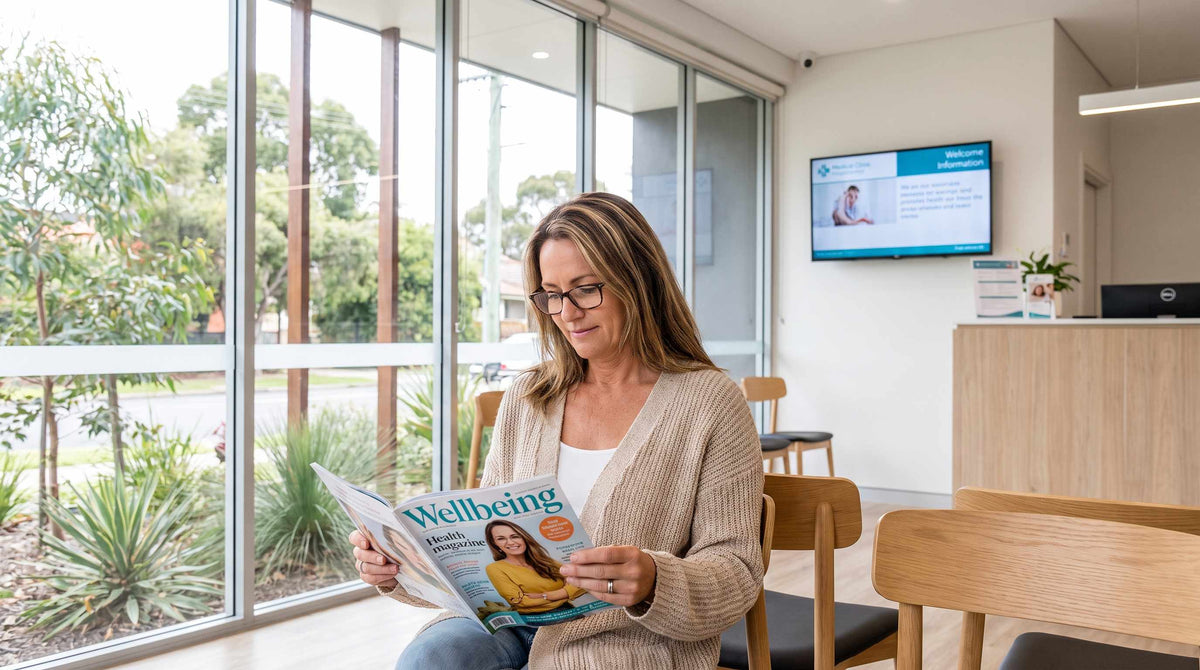
If you're one of the many Australian women living with bladder leakage, you're far from alone — and there's a wealth of support available to you. The Continence Foundation of Australia offers practical resources including guidance, professional directories, and educational materials designed to help women understand their condition and take confident steps towards better management. Whether you're in metropolitan Sydney or regional Queensland, these free services can make a genuine difference to your quality of life.
What the Continence Foundation of Australia offers and why it matters
The Continence Foundation of Australia is the nation's peak body for bladder and bowel health. It operates as a not-for-profit organisation dedicated to improving the lives of Australians affected by incontinence. For women experiencing urinary leakage — whether it's stress incontinence triggered by a cough or sneeze, urge incontinence, or mixed forms — the Foundation provides an essential starting point for information and referrals.
One of the most valuable resources you'll find through the Continence Foundation of Australia is the National Continence Helpline, reachable on 1800 33 00 66. This free, confidential phone service is staffed by continence nurse advisors who can answer questions, provide self-management strategies, and point you towards local health professionals. The helpline is funded by the Australian Government and is available to anyone across the country.
The Foundation's website also hosts a searchable directory of continence professionals, fact sheets on dozens of bladder and bowel conditions, pelvic floor exercise guides, and details on government-funded support schemes. These materials are reviewed by clinical experts, so you can trust the information is evidence-based and relevant to the Australian healthcare system.
Common causes and signs of urinary incontinence in Australian women
Urinary incontinence affects a significant share of Australian women, particularly those over the age of 40, though younger women can experience it too — especially after pregnancy and childbirth. Hormonal changes during perimenopause and menopause, when oestrogen levels decline, can weaken the pelvic floor muscles and the tissues supporting the bladder.
The most common types women encounter include stress urinary incontinence (leaking during physical activity, laughing, or sneezing), overactive bladder (a sudden, urgent need to urinate), and mixed incontinence, which combines elements of both. Other contributing factors include chronic constipation, obesity, high-impact exercise, pelvic surgery, and certain medications.
Recognising the signs early is important. If you find yourself crossing your legs when you cough, planning outings around toilet locations, or waking multiple times overnight to use the bathroom, these are signals worth discussing with your GP. Here's the thing — many women wait years before seeking help, often because of embarrassment. Yet effective treatments exist, and the resources available through the Continence Foundation of Australia are specifically designed to break down that hesitation.
When to see your GP
A good rule of thumb is to book an appointment if leakage is affecting your daily routine, sleep, exercise, social life, or emotional wellbeing. Your GP can conduct an initial assessment, rule out underlying causes such as urinary tract infections or prolapse, and refer you to a specialist or continence physiotherapist if needed. Under Medicare Australia, many of these consultations and referrals attract rebates, especially through bulk-billing practices.

Who it affects and why awareness matters across Australia
Incontinence isn't a condition confined to older Australians. While prevalence does increase with age, research suggests that roughly one in three women who've had a baby experience some degree of urinary leakage. For women over 50, the numbers are even higher. Yet despite how common it is, stigma and silence remain significant barriers to care in communities from Adelaide to Cairns and everywhere in between.
Cultural and geographic factors compound the issue. Women in regional and remote Australia may have limited access to specialist continence services, making telephone and online resources all the more critical. The good news is that the Continence Foundation of Australia bridges this gap with evidence-based resources available regardless of postcode. Their online learning modules, downloadable bladder diaries, and telehealth-compatible referral pathways ensure that geography isn't a barrier to good care.
Raising awareness also benefits carers, partners, and families. Understanding that incontinence is a medical condition — not a personal failing — helps create a more supportive environment for women seeking treatment. Workplaces, gyms, and community groups across Melbourne, Brisbane, Perth, and beyond all benefit when the conversation is normalised.
Evidence-based care pathways Australians can access
Australia's healthcare system offers several well-established pathways for managing urinary incontinence. The first step for most women is a visit to their GP. Under the RACGP clinical guidelines, general practitioners are encouraged to screen for incontinence and provide initial management advice, including referrals to pelvic floor physiotherapists.
Pelvic floor muscle training, guided by a women's health physiotherapist, is considered the first-line treatment for stress urinary incontinence. Medicare rebates apply when you've got a GP referral, and many physiotherapists now offer telehealth consultations — a practical option for women in regional Australia. Your continence nurse advisor on the National Continence Helpline can help you locate a qualified professional near you.
Beyond physiotherapy, care options may include:
- Bladder retraining programmes to improve urinary urgency and frequency
- Lifestyle modifications such as fluid management, weight loss support, and dietary changes
- Medications prescribed by your GP or specialist, some of which may be available through the PBS
- Pessary fittings for women with pelvic organ prolapse contributing to leakage
- Surgical options for severe cases that haven't responded to conservative treatment
You'll find detailed fact sheets on each of these options through the Continence Foundation of Australia's resources, written in plain language so you can make informed decisions alongside your healthcare team.
How Orykas washable incontinence underwear supports daily confidence
While clinical treatment addresses the underlying condition, many women also benefit from reliable, comfortable protection during their management journey. Washable incontinence underwear has become a preferred choice for Australian women who want discreet, sustainable, and cost-effective support without the ongoing expense and environmental waste of disposable pads.
Orykas designs its products specifically for women's bodies and real-life needs. The Women's Washable Incontinence Underwear collection includes styles suited to different levels of leakage and personal preferences, all shipped Australia-wide. Each pair is machine-washable and built to last through hundreds of wash cycles, making them a practical investment.
For women experiencing light to moderate leakage during exercise, work, or errands, the Women's High-Waisted Washable Incontinence Pants offer a secure, flattering fit with built-in absorbent layers. If you deal with heavier leakage — whether overnight or during particularly active days — the Women's Washable Incontinence Pants for Heavy Leakage provide enhanced absorbency without bulk.
Pairing quality incontinence underwear with the treatment strategies recommended through the Continence Foundation's resources gives many women the confidence to stay active, socialise, and get on with daily life while they work on strengthening their pelvic floor or waiting for a specialist appointment.
NDIS, CAPS, and funding options for Australians
Managing incontinence can carry ongoing costs, from specialist appointments to continence products. Fortunately, several Australian Government schemes exist to ease the financial burden:
- Continence Aids Payment Scheme (CAPS) — administered by Services Australia, CAPS provides an annual payment to eligible Australians to help cover the cost of continence products. You'll need an assessment from a continence professional to apply.
- NDIS plans — participants in the National Disability Insurance Scheme may be able to include continence supports as part of their funded plan, including products and allied health services.
- Medicare rebates — GP consultations, specialist referrals, and allied health visits (including physiotherapy under a chronic disease management plan) may attract Medicare rebates.
- PBS subsidies — certain medications used in the management of overactive bladder are listed on the Pharmaceutical Benefits Scheme, reducing out-of-pocket costs.
- State and territory programmes — some state health departments and community health centres offer additional continence support services, particularly for older Australians and those in aged care.
The Continence Foundation of Australia has a dedicated resources section on financial assistance, and the helpline staff can walk you through eligibility criteria for each scheme. If you're unsure where to start, calling 1800 33 00 66 is a practical first step — the advisors can help you understand which funding pathways apply to your situation.
Frequently asked questions
Is the National Continence Helpline really free to call?
Yes. The National Continence Helpline (1800 33 00 66) is a free call from landlines anywhere in Australia. It's staffed by continence nurse advisors and funded by the Australian Government Department of Health. You can call to ask questions, request information packs, or get help finding a continence professional in your area.
Can my GP help with incontinence, or do I need a specialist?
Your GP is an excellent starting point. Under RACGP guidelines, general practitioners can assess your symptoms, recommend initial treatments such as pelvic floor exercises, and refer you to a continence physiotherapist or specialist if needed. Many bulk-billing GPs are experienced in managing urinary incontinence, and Medicare rebates apply to most consultations and referrals.
How do I know if I'm eligible for the Continence Aids Payment Scheme?
CAPS eligibility generally requires that you have a permanent and severe form of incontinence, are an Australian resident, and have been assessed by a recognised continence professional. Your GP or continence nurse can help you complete the application, which is then processed by Services Australia. The Continence Foundation of Australia's resources page on financial assistance provides further detail on criteria and how to apply.
Are washable incontinence pants effective enough for everyday use?
Modern washable incontinence underwear is designed with multiple absorbent layers, moisture-wicking fabrics, and leak-proof barriers that provide reliable protection for daily wear. Many Australian women find them more comfortable and discreet than disposable alternatives. The level of absorbency you need will depend on your individual situation — lighter styles suit everyday activities, while heavier-absorbency options cater to overnight use or more significant leakage.
This article is informational and does not replace advice from your GP, a qualified continence nurse or a specialist.
Share:
Finding a women's health physio in Australia: Medicare-friendly pathways
Pelvic organ prolapse in Australian women: incontinence and everyday life