



For many Australian women, pelvic organ prolapse is a reality that quietly reshapes daily routines — from the school run and grocery shop to exercise and intimacy. Despite affecting a significant share of women over 50, prolapse and the urinary incontinence it often brings remain topics many feel uncomfortable raising, even with their GP. Understanding what prolapse is, recognising the signs early, and knowing which support pathways exist across the Australian healthcare system can make an enormous difference to quality of life.
What is pelvic organ prolapse? Causes and signs in Australian women
Pelvic organ prolapse occurs when the muscles and connective tissues of the pelvic floor weaken, allowing one or more pelvic organs — the bladder, uterus, bowel or top of the vagina — to descend from their normal position. The condition ranges from mild (often symptom-free) to severe, where the organ bulges noticeably and causes discomfort or functional problems. The Royal Australian and New Zealand College of Obstetricians and Gynaecologists (RANZCOG) notes that up to half of all women who've given birth vaginally will develop some degree of prolapse during their lifetime.
Common signs to watch for include:
- A sensation of heaviness, dragging or fullness in the pelvis, especially after standing for long periods
- A visible or palpable bulge at the vaginal opening
- Difficulty emptying the bladder or bowel completely
- Urinary leakage when coughing, sneezing, lifting or exercising — known as stress urinary incontinence
- Lower back pain that worsens as the day progresses
The causes are multifactorial. Vaginal childbirth is the most well-documented risk factor, but hormonal changes during menopause — particularly the decline in oestrogen — chronic constipation, heavy lifting, obesity and a family history of connective-tissue weakness all contribute. Smoking and chronic respiratory conditions that cause persistent coughing can also accelerate pelvic-floor deterioration.
Many women dismiss early symptoms as a normal part of ageing or motherhood. In reality, prolapse is a medical condition with well-established treatment options, and the earlier it's assessed, the wider the range of conservative management strategies available.
Who it affects and why pelvic organ prolapse matters in Australia
Pelvic organ prolapse is far more common than most people realise. Research cited by the Continence Foundation of Australia suggests that a significant proportion of Australian women will experience at least one form of prolapse by the time they reach their sixties, with incontinence being one of the most disruptive accompanying symptoms. The condition doesn't discriminate by postcode — women in Sydney, Melbourne, Brisbane, Perth, Adelaide and regional Australia are all affected.
The social and emotional toll is often underestimated. Women report avoiding physical activity, withdrawing from social events and experiencing anxiety about leakage in public. Intimacy can become a source of stress rather than connection. The Continence Foundation of Australia's helpline (National Continence Helpline: 1800 33 00 66) regularly fields calls from women who've been silently managing symptoms for years before seeking help.
The hidden cost of delayed diagnosis
Delayed diagnosis is a particular concern in regional Australia, where access to specialist pelvic-floor physiotherapists and urogynaecologists can be limited. Women who wait too long before seeking assessment may find that conservative management is less effective, potentially increasing the likelihood of surgical intervention. Here's the thing — encouraging open conversations with GPs, continence nurses and trusted friends is one of the most powerful steps towards earlier, better outcomes.
Beyond the personal impact, incontinence associated with pelvic organ prolapse carries a financial burden. Disposable pads and liners represent an ongoing expense that many women bear quietly. Reusable, washable incontinence underwear offers a more sustainable and cost-effective alternative over time, while also reducing landfill waste — a consideration that resonates with many environmentally conscious Australians.

Evidence-based care pathways Australians can access
The good news is that Australia has a well-structured healthcare system with multiple entry points for women experiencing pelvic organ prolapse. The first step is usually a visit to a bulk-billing GP or your regular general practitioner, who can perform an initial assessment and, where appropriate, refer you to a specialist. Under Medicare Australia, referrals to urogynaecologists, colorectal surgeons and continence nurses are rebatable, making specialist care more accessible.
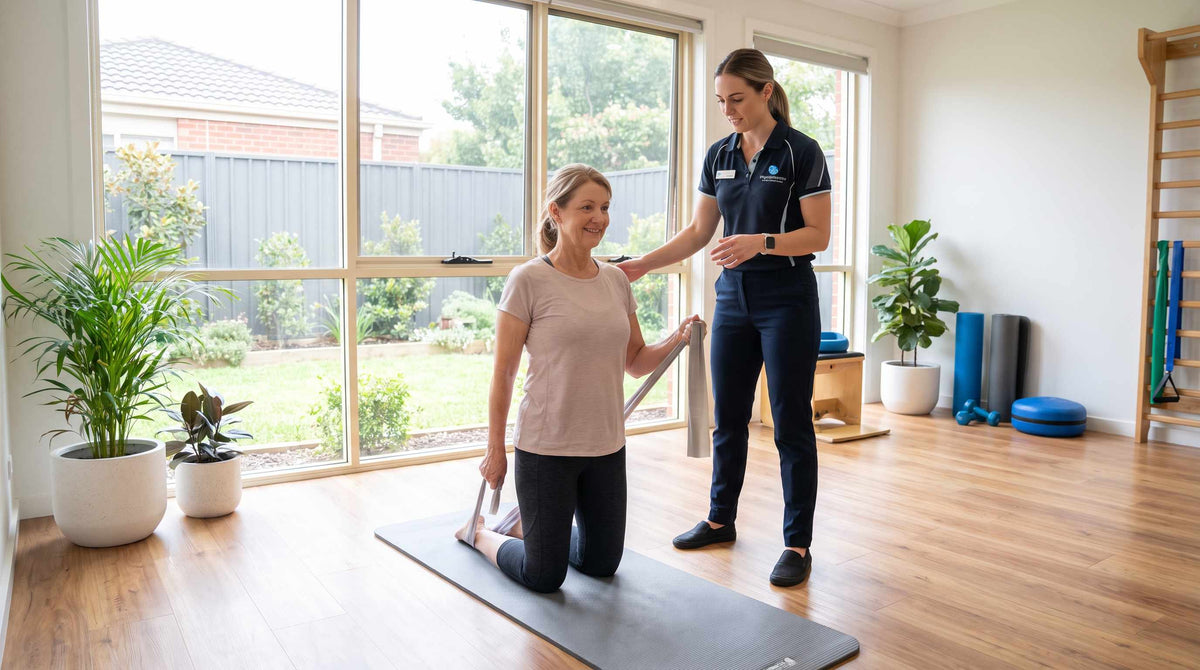
The Australian Physiotherapy Association recognises pelvic-floor physiotherapy as a frontline conservative treatment for prolapse and associated incontinence. A qualified pelvic-floor physiotherapist can design a tailored exercise programme — often centred on pelvic-floor muscle training (commonly known as Kegel exercises) — that strengthens the supportive structures around the pelvic organs. Research consistently shows that supervised pelvic-floor rehabilitation can reduce symptoms of both prolapse and stress urinary incontinence significantly.
Evidence-based care typically follows a stepped approach:
- Initial GP assessment, including a pelvic examination and discussion of symptom severity
- Referral to a pelvic-floor physiotherapist for conservative management and a structured exercise programme
- Consideration of a vaginal pessary — a removable device fitted by a GP or specialist to support the prolapsed organ
- Review of lifestyle factors such as weight management, fluid intake, bowel habits and physical activity modification
- Surgical consultation if conservative measures don't provide adequate relief, with options discussed under RACGP and RANZCOG guidelines
It's worth noting that surgery isn't always necessary and is generally reserved for women with moderate-to-severe prolapse who haven't responded to conservative treatment. The RACGP encourages GPs to discuss all options thoroughly and to involve the patient in shared decision-making.
Living well: practical strategies for managing incontinence with prolapse
While medical treatment addresses the underlying condition, day-to-day management of incontinence symptoms is just as important for quality of life. Many Australian women find that a combination of pelvic-floor exercises, lifestyle adjustments and reliable protective underwear gives them the confidence to stay active and engaged.
Practical strategies that can help include:
- Performing pelvic-floor exercises daily — consistency is more important than intensity
- Managing fluid intake sensibly (not restricting fluids, but timing them around activities)
- Addressing chronic constipation with adequate fibre, hydration and, if needed, guidance from a dietitian
- Wearing purpose-designed washable incontinence underwear that looks and feels like regular knickers
- Planning ahead for outings — knowing where facilities are and carrying a small kit with spare underwear
The shift from disposable pads to washable incontinence underwear has been a game-changer for many women. Unlike pads, which can shift, bunch or rustle, well-designed incontinence underwear stays in place, absorbs reliably and is virtually undetectable under clothing. For women dealing with the heavier leakage that pelvic organ prolapse can cause, Women's Washable Incontinence Pants for Heavy Leakage by Orykas offer a discreet, comfortable option that can be washed and reused hundreds of times.
Women who prefer a higher-rise fit for additional tummy support often gravitate towards the Women's High-Waisted Washable Incontinence Pants, which provide coverage and security without compromising on style. And for those looking to stock up, the 3-Pack Ultra Absorbent Black Incontinence Briefs offer everyday convenience with the reliability needed for heavier leakage days.
How Orykas washable incontinence underwear supports confidence
Confidence is often the first casualty of urinary incontinence. Women describe dreading a sneeze, avoiding a friend's yoga class or turning down a bushwalk because they're unsure whether their protection will hold. Orykas washable incontinence underwear is designed with exactly these moments in mind — providing absorbency where it's needed most, in underwear that looks and feels like what you'd choose to wear regardless.
The benefit of a reusable product extends beyond comfort. Over the course of a year, switching from disposable pads to washable underwear can represent a meaningful saving, particularly for women on fixed incomes or those managing incontinence alongside other health expenses. For environmentally minded Australians, the reduction in single-use waste is an added advantage.
Orykas products are shipped Australia-wide, making them accessible whether you live in metropolitan Melbourne or a small town in regional Australia. The discreet packaging ensures privacy, and the ability to machine-wash and tumble-dry means they fit easily into existing laundry routines.
NDIS, CAPS and funding options for Australians with incontinence
Navigating the financial side of incontinence management can feel overwhelming, but several Australian Government programmes exist to help. The Continence Aids Payment Scheme (CAPS), administered by Services Australia, provides an annual payment to eligible individuals to help cover the cost of continence products. To qualify, you'll generally need a referral from a continence nurse or GP, along with a confirmed diagnosis of permanent and severe incontinence.
For Australians with a disability that contributes to incontinence, the National Disability Insurance Scheme (NDIS) may fund continence-related supports as part of an individual plan. This can include continence assessments, products and access to specialist services. It's well worth speaking with your NDIS planner or support coordinator about including continence aids in your plan.
Additionally, some continence products may be available through state-based aids and equipment programmes. Your GP, continence nurse or the National Continence Helpline (1800 33 00 66) can help you understand which funding streams you may be eligible for and guide you through the application process.
It's worth checking whether washable incontinence products are covered under your specific funding arrangement, as policies can vary. Many women find that even without subsidies, the long-term cost of reusable underwear compares favourably to the ongoing expense of disposables.
Frequently asked questions
Can pelvic organ prolapse be reversed without surgery?
In many cases, mild to moderate pelvic organ prolapse can be managed effectively without surgery. Pelvic-floor physiotherapy, pessary use and lifestyle modifications — such as weight management and addressing chronic constipation — can reduce symptoms and, in some cases, improve the degree of prolapse. The Australian Physiotherapy Association supports pelvic-floor muscle training as a first-line treatment. Surgery is typically considered only when conservative approaches haven't provided sufficient relief.
How do I find a pelvic-floor physiotherapist near me in Australia?
Your GP can provide a referral to a pelvic-floor physiotherapist, and many clinics across Sydney, Melbourne, Brisbane, Perth, Adelaide and regional centres offer this service. The Australian Physiotherapy Association maintains a directory on their website where you can search by location and specialisation. Medicare rebates may apply if you have a GP referral under a chronic disease management plan.
Is incontinence from prolapse covered by Medicare or the NDIS?
Medicare Australia covers GP visits, specialist consultations and some allied health services related to pelvic organ prolapse, including physiotherapy under certain referral pathways. The NDIS may fund continence supports for eligible participants with a disability-related incontinence condition. The Continence Aids Payment Scheme (CAPS) via Services Australia is another avenue for financial assistance with continence products. Contact the National Continence Helpline on 1800 33 00 66 for personalised guidance.
Are washable incontinence pants effective for heavy leakage caused by prolapse?
Yes. Modern washable incontinence underwear has evolved significantly and can now manage moderate to heavy leakage effectively. Products like those offered by Orykas use multi-layered absorbent technology designed to lock moisture away and keep skin dry. Many women with pelvic organ prolapse find washable pants more comfortable and reliable than disposable pads, particularly for extended wear during work, exercise or social activities.
This article is informational and doesn't replace advice from your GP, a qualified continence nurse or a specialist.
Share:
Continence Foundation of Australia resources every Aussie woman should know
After hysterectomy: bladder leaks and recovery in Australia