



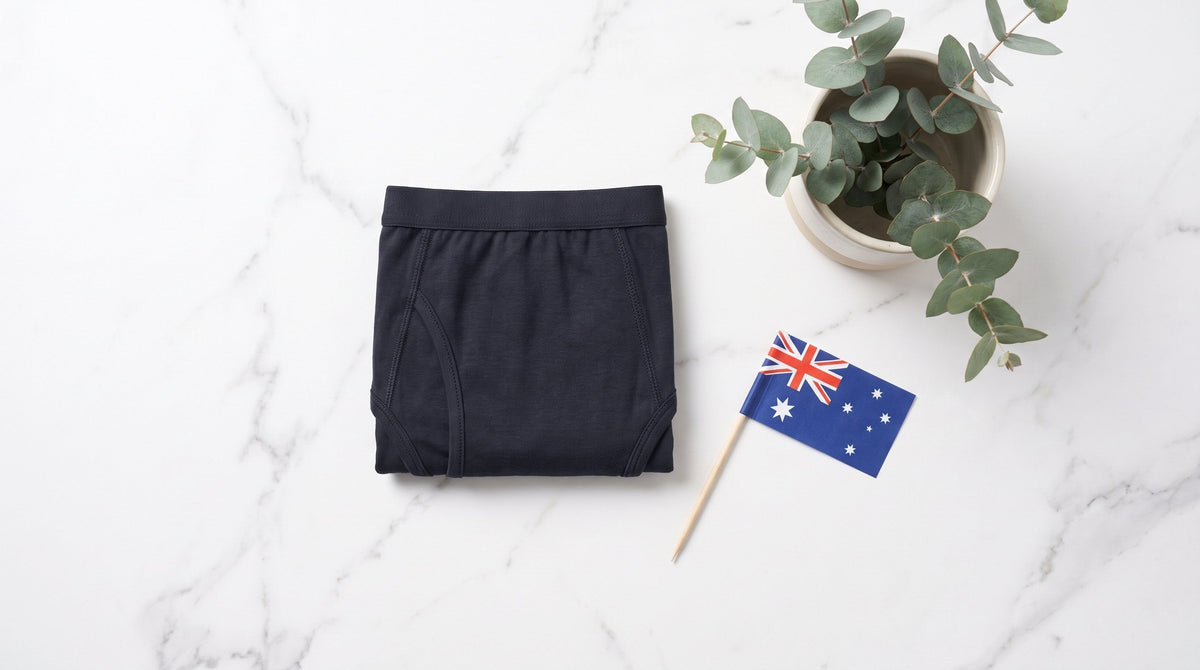
For many Australian women, the thought of a leak at the office, during a client presentation or at a formal event can overshadow an otherwise confident day. Finding discreet incontinence underwear for work and formal wear that looks and feels like regular lingerie — yet offers reliable protection — is a game-changer. Whether you commute into Sydney's CBD, attend conferences in Melbourne or manage a busy regional practice, the right underwear means you can focus on your career and social life instead of worrying about accidents.
What causes bladder leaks in working women — and how common are they in Australia?
Urinary incontinence is far more prevalent than most people realise. The Continence Foundation of Australia estimates that millions of Australians experience some form of bladder or bowel leakage, and women are affected at roughly twice the rate of men. Stress urinary incontinence — small leaks triggered by coughing, sneezing, laughing or lifting — is the most common type among women of working age.
Several factors contribute to weakened pelvic-floor muscles: pregnancy and childbirth, hormonal changes around perimenopause and menopause (when declining oestrogen affects tissue elasticity), high-impact exercise, chronic coughing and obesity. Urge incontinence, where a sudden, intense need to urinate leads to leakage, also affects a significant share of women aged over 50, though it can appear at any age.
Despite its prevalence, many women wait years before seeking help — partly because the topic still carries stigma, and partly because they assume leaks are "just part of getting older." Recognising the signs early and exploring modern management options, including discreet incontinence underwear suitable for work, can make an enormous difference to daily comfort and self-esteem.
Who it affects and why it matters in the workplace
Incontinence doesn't discriminate by profession, postcode or age bracket. Teachers, nurses, lawyers, retail workers, executives and tradeswomen across Australia live with bladder leaks. For many, the workplace presents unique challenges: long meetings without easy bathroom access, business attire that leaves little room for bulky pads, and social situations — networking dinners, awards nights, weddings — where confidence is paramount.
The psychological toll can be significant. Some women limit their fluid intake during the day, avoid travel or turn down promotions that involve public speaking. Others spend hundreds of dollars a year on disposable pads that rustle, shift or show through fitted clothing. The good news is that discreet incontinence underwear designed for professional and formal settings tackles these concerns head-on, combining absorbency with a streamlined silhouette.
In cities like Brisbane, Perth and Adelaide — and right across regional Australia — women are increasingly discovering that washable incontinence underwear offers a sustainable, cost-effective and genuinely invisible solution beneath tailored trousers, pencil skirts and evening dresses.
Evidence-based care pathways Australians can access
If you're experiencing regular leaks, the first step is a conversation with your GP. Under Medicare Australia, you can get a referral to a continence physiotherapist or a specialist such as a urogynaecologist. Many bulk-billing GPs are comfortable initiating this conversation, and the RACGP encourages routine screening for incontinence during health assessments for women over 40.
Pelvic-floor muscle training remains the gold-standard first-line treatment for stress urinary incontinence. A qualified continence physiotherapist can design a personalised programme and monitor your progress. For urge incontinence, bladder retraining techniques and, in some cases, medication listed on the PBS may be recommended.
The role of continence aids alongside treatment
While therapy strengthens muscles over time, most clinicians acknowledge that women need reliable protection in the interim — and sometimes long-term. Here's the thing: well-designed incontinence underwear for work and everyday wear fits naturally into a holistic management plan. Rather than replacing treatment, quality absorbent underwear complements it, giving women the freedom to attend appointments, exercise and work without anxiety.
If you're unsure where to start, the National Continence Helpline (phone 1800 33 00 66) offers free, confidential advice from continence nurse advisors who can point you toward local services and appropriate products.

How Orykas washable incontinence underwear supports confidence at work and formal events
Choosing the right incontinence underwear for professional and formal settings comes down to a few key criteria:
- Invisibility under clothing — flat seams, no bulky pad outline, smooth fabric that sits flush against the body.
- Reliable absorbency — enough capacity to handle light to moderate leaks without feeling wet.
- Odour control — built-in technology that neutralises odour so you stay fresh through long days.
- Comfortable fit — soft, breathable materials that move with you from desk to dinner.
- Elegant design — lace details and colours that look like regular lingerie, not medical aids.
Orykas has developed a range of washable incontinence underwear that ticks every one of these boxes. The Women's Lace-Waistband Washable Incontinence Pants feature a delicate lace waistband that could easily pass as everyday underwear beneath a fitted blouse or wrap dress. For women who prefer a slightly different aesthetic, the Women's Side-Lace Washable Incontinence Pants offer lace detailing along the sides — a subtle touch that feels genuinely luxurious rather than clinical.
If you're looking for value and variety, the 3-Pack Black High-Waist Lace Incontinence Briefs provide a high-waist silhouette that smooths under pencil skirts and formal trousers, while the 3-Pack Lace Side Incontinence Briefs deliver the same discreet protection in a classic mid-rise cut ideal for daily rotation. Having several pairs on hand means you'll always have a clean pair ready — an important consideration for busy professionals.
Practical tips for wearing discreet incontinence underwear at work and events
Integrating absorbent underwear into your professional wardrobe is straightforward once you know a few tricks. Consider the following tips to maximise comfort and discretion:
- Choose dark or neutral colours — black absorbent briefs are virtually undetectable under any outfit, from navy suits to little black dresses.
- Opt for high-waist styles under fitted garments — a high-waist brief creates a smooth line and avoids the visible-underwear-edge issue common with mid-rise cuts under body-con fabrics.
- Carry a spare pair — a compact wet bag in your handbag or desk drawer means you can change discreetly if needed during a long day or evening event.
- Wash according to care instructions — most washable incontinence underwear lasts significantly longer when rinsed in cold water after use and machine-washed on a gentle cycle without fabric softener.
- Layer with confidence — because modern absorbent underwear is so thin, you can wear shapewear or hosiery over the top without adding bulk.
Many women find that once they switch from disposable pads to purpose-built absorbent underwear, the daily mental load around incontinence drops dramatically. There's no rustling, no adhesive shifting mid-meeting and no frantic search for a bin in an unfamiliar bathroom.
NDIS, CAPS and funding options for Australians
Depending on your circumstances, you may be eligible for financial assistance to help cover the cost of continence products. The Continence Aids Payment Scheme (CAPS), administered by Services Australia, provides an annual payment to eligible Australians to help purchase continence aids, including washable underwear. To access CAPS, you'll generally need a completed assessment from a continence professional and a referral from your GP.
For Australians with a disability that results in permanent incontinence, an NDIS plan may include funding for continence supports under the category of consumables or assistive technology. Your NDIS planner or support coordinator can advise whether washable incontinence underwear is covered within your plan.
Even without government assistance, washable options often prove more economical over time than disposable pads. A single pair of quality absorbent underwear can be washed and reused many times, potentially saving hundreds of dollars a year while also reducing landfill waste — a consideration that resonates with many environmentally conscious Australians.
Frequently asked questions
Can you really wear discreet incontinence underwear under a formal dress or tailored suit?
Yes. Modern washable incontinence underwear is designed with flat seams and thin absorbent layers that sit flush against the body. Under a well-fitted dress, suit or evening gown, quality absorbent briefs are virtually invisible — no different from wearing regular underwear.
How many pairs of washable incontinence underwear do I need for a working week?
Most women find that five to seven pairs provide a comfortable rotation, allowing time for washing and drying. If you experience heavier leaks or prefer to change during the day, having a few extra pairs is worthwhile. Multi-packs are a practical way to stock up.
Will discreet incontinence underwear control odour during a long workday?
Quality absorbent underwear incorporates odour-neutralising layers that help manage smell throughout the day. For added peace of mind, pop on a fresh pair if you're transitioning from work to an evening event that may run late.
Are washable incontinence pants covered by Medicare or private health insurance?
Medicare doesn't directly cover the purchase of continence aids, but your GP can refer you to subsidised continence services. The CAPS scheme provides a yearly payment toward continence products for eligible Australians. Some private health insurers offer small rebates on continence aids under their extras cover — check your policy or phone your fund to confirm.
This article is informational and does not replace advice from your GP, a qualified continence nurse or a specialist.
Share:
Washable vs disposable pads for women: 2026 Australian comparison
Travel and incontinence: a packing checklist for Australian women