



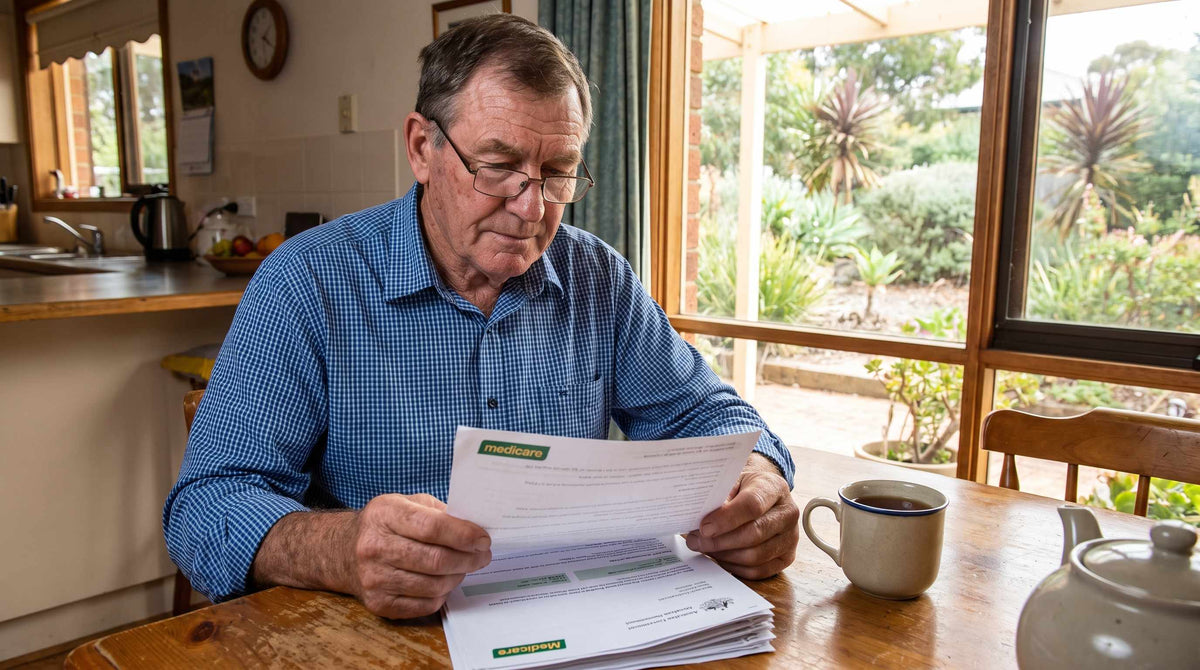

For Australian men navigating life after prostate surgery, understanding what the healthcare system actually offers — clinical support, funding schemes, and practical continence aids — can make a significant difference to both physical recovery and long-term quality of life. The path forward after prostatectomy in Australia is far better supported than many men realise, and knowing where to turn is the first and most important step.
What happens to the bladder after prostatectomy — and what to expect
A radical prostatectomy — the surgical removal of the prostate gland, most commonly performed to treat localised prostate cancer — almost always causes some degree of urinary incontinence in the weeks and months that follow. The sphincter muscles and nerves that control urination sit in close proximity to the prostate, and even with modern nerve-sparing techniques, temporary or ongoing leakage is a normal and expected part of recovery for most men.
For many men, the incontinence is stress-related: sneezing, coughing, lifting a grocery bag, or rising quickly from a chair triggers an unexpected leak. Others experience urgency incontinence, where the need to urinate arrives with little or no warning. A significant number of Australian men experience both types simultaneously in the early post-operative period, which can feel overwhelming if they haven't been prepared for it beforehand.
The encouraging news is that urinary control typically improves over time. Many men see meaningful progress within the first three to six months, and continued improvement is possible up to twelve to eighteen months post-surgery. Targeted pelvic floor rehabilitation — ideally started before surgery and continued consistently throughout recovery — is central to achieving the best outcome. Your urologist, GP, or a specialist continence nurse can guide you through what to expect at each stage.
Who it affects and why seeking help matters

Prostate cancer is the most commonly diagnosed cancer among Australian men, with tens of thousands of new diagnoses recorded each year. A substantial proportion of those men will undergo radical prostatectomy — whether open, laparoscopic, or robotic-assisted — as their primary treatment, making post-surgical urinary leakage one of the most prevalent continence issues affecting men across this country. Men in Sydney, Melbourne, Brisbane, Perth, Adelaide and regional Australia all face the same challenges navigating recovery, though access to specialist services can vary considerably outside metropolitan areas.
Urinary leakage after prostatectomy is not simply a physical inconvenience. Research consistently shows it has a profound impact on men's emotional wellbeing, intimate relationships, and willingness to participate in social and professional life. Many men report withdrawing from sport, travel, and social activities because of embarrassment and anxiety about leakage. Left unaddressed, this withdrawal can escalate into depression and prolonged social isolation.
And yet, many Australian men still don't seek help. Cultural expectations around male stoicism, a reluctance to discuss bladder issues with a GP, and simple lack of awareness about available support all contribute to under-treatment. The Continence Foundation of Australia has long highlighted that a significant share of people living with incontinence have never spoken to a health professional about it — a pattern that is particularly pronounced among men. You're not alone in this, and there are concrete steps you can take today.
Evidence-based care pathways Australians can access
Australia has a well-developed — if sometimes underutilised — network of clinical support for men recovering from prostatectomy. Understanding the care pathway from your initial post-operative review through to long-term continence management helps you access the right support at the right time.
Medicare rebates and specialist referrals
Medicare Australia provides rebates for a broad range of consultations and procedures relevant to post-prostatectomy recovery. A referral from your GP to a urologist, continence nurse, or pelvic floor physiotherapist typically attracts a Medicare rebate. Under a GP Management Plan (GPMP), you may be eligible for up to five Medicare-subsidised allied health sessions per calendar year — including physiotherapy for pelvic floor rehabilitation — through the Chronic Disease Management scheme. Ask your GP whether a GPMP is appropriate for your recovery, and don't hesitate to raise continence issues directly if your doctor doesn't bring them up first.
The Royal Australian College of General Practitioners (RACGP) has published clinical guidance supporting the active management of post-prostatectomy incontinence, including early referral to pelvic floor physiotherapy and continence nursing. RACGP guidelines emphasise that conservative management — particularly pelvic floor muscle training — should be offered to all men before any surgical intervention for incontinence is considered. If your GP isn't raising these options proactively, it's entirely appropriate to ask for a referral.
For men who require ongoing specialist review, Medicare rebates apply to consultations with urologists and continence physicians. Where surgery was performed in a private hospital, private health insurance may also cover a portion of costs — check your policy carefully, as waiting periods and benefit limits vary considerably between funds.
The National Continence Helpline, operated by the Continence Foundation of Australia, offers free, confidential advice from registered nurses who specialise in continence. Call 1800 33 00 66 (Monday to Friday, 8 am to 8 pm AEST) to speak with a specialist who can help you navigate local services, understand your funding options, and develop a practical continence management plan tailored to where you are in your recovery.
How Orykas washable men's incontinence underwear supports confidence
Day-to-day management of urinary leakage calls for practical solutions that protect your dignity, look after skin health, and keep your confidence up throughout recovery. Many men begin with disposable pads or pull-up pants, which serve an important purpose in the early post-operative days. However, disposables carry significant ongoing costs and environmental impact that accumulate quickly over a recovery period lasting many months.
Washable, ultra-absorbent incontinence underwear has become a popular and sustainable alternative for men at various stages of post-prostatectomy recovery. For men managing lighter to moderate leakage, Orykas ultra-absorbent incontinence briefs for men offer a discreet, reusable option that looks and feels like regular underwear — no bulk, no rustling, no obvious difference from the outside. Men who prefer a longer-leg style may find Orykas washable incontinence boxer briefs a more comfortable fit for active days, gym sessions, or sleeping through the night.
Washable underwear is not a medical treatment — it doesn't replace pelvic floor rehabilitation or clinical management. What it does do is support everyday confidence and reduce the anxiety around leakage that can otherwise discourage men from continuing their rehabilitation exercises and staying socially engaged. For men who are unsure where to begin, exploring the full range of Orykas men's incontinence underwear is a practical starting point, with styles designed specifically for the challenges men face during and beyond prostatectomy recovery.
Key features men often value when choosing washable incontinence underwear include:
- High absorbency without visible bulk, allowing the underwear to be worn discreetly under everyday clothing
- Breathable, skin-friendly fabrics that reduce irritation and help prevent moisture-related skin breakdown during extended wear
- Machine-washable construction that holds its performance through regular laundering
- A familiar cut — briefs or boxer briefs — that maintains a sense of normalcy and dignity
- Odour-control technology for added confidence in social, professional, and active settings
For men navigating the early stages of recovery or building up a rotation of pairs, the Essential Orykas Set offers a practical, cost-effective way to start. Having several pairs available simplifies daily management and eases the pressure when away from home — whether commuting, attending a medical appointment, or simply getting back to the garden. Orykas also offers a dedicated prostate health support product designed with post-operative men specifically in mind.
CAPS, NDIS and other funding options for Australians
One of the most important — and most frequently overlooked — aspects of post-prostatectomy Medicare recovery in Australia is access to funded continence aids. Two government programmes in particular are worth understanding in detail before you spend money out of pocket on continence products.
The Continence Aids Payment Scheme (CAPS), administered by Services Australia on behalf of the Australian Government, provides an annual payment to eligible Australians to help cover the cost of continence products. To qualify, you must have a permanent bladder or bowel condition managed by a qualified health professional, and you must not be receiving continence funding through the NDIS. Applications are submitted through myGov or Services Australia directly, and your GP or continence nurse can assist with the required clinical assessment documentation. Note that CAPS is a contribution toward product costs — not a full reimbursement — so many men use it alongside washable options to reduce ongoing expenditure.
The National Disability Insurance Scheme (NDIS) may fund continence aids as part of an approved plan for eligible participants whose incontinence is related to a permanent and significant disability. For men whose post-prostatectomy incontinence meets the NDIS disability criteria, continence products may be claimable under the Consumables or Assistance with Daily Life support categories. An NDIS planner or Local Area Coordinator can help determine whether your situation qualifies and how to include continence support in your plan.
Beyond CAPS and NDIS, the following options are worth exploring as part of a comprehensive approach to prostatectomy Medicare recovery:
- Medicare Chronic Disease Management (CDM) rebates — up to five allied health sessions per year, including pelvic floor physiotherapy, when arranged under a GPMP
- Private health insurance — many hospital and extras policies contribute to specialist consultations, physiotherapy, and continence nursing; review your policy or call your fund
- State-based continence clinics — several state health departments and public hospital networks run dedicated continence clinics with subsidised or bulk-billed services
- Department of Veterans' Affairs (DVA) — eligible veterans may access continence products and specialist nursing through DVA funding arrangements without going through CAPS
- Hospital social workers — can assist with navigating funding applications, particularly for men who had their surgery in a public hospital setting
- Pharmaceutical Benefits Scheme (PBS) — some medications relevant to overactive bladder or urgency incontinence may be subsidised; discuss options with your urologist or GP
Frequently asked questions
How long does urinary incontinence last after a prostatectomy?
Recovery timelines vary considerably from man to man. Many Australian men experience significant improvement within the first three to six months after surgery, particularly with consistent pelvic floor rehabilitation. Ongoing improvement is common up to twelve to eighteen months post-operatively. A smaller proportion of men may experience longer-term incontinence that requires ongoing management strategies. Your urologist and continence nurse are best placed to give you a personalised prognosis based on your surgery type, age, and pre-operative pelvic floor function — so be open with them about your symptoms and progress at every review.
Does Medicare cover pelvic floor physiotherapy after prostatectomy?
Medicare Australia does not rebate physiotherapy under standard item numbers, but it does provide rebates for allied health visits — including physiotherapy — when arranged under a GP Management Plan as part of the Chronic Disease Management scheme. Under this arrangement, you may access up to five Medicare-subsidised physiotherapy sessions per calendar year. Speak to your GP about whether a GPMP is appropriate for your post-prostatectomy recovery, and specifically ask for a referral to a pelvic floor physiotherapist with experience in male continence rehabilitation. Many private health insurance extras policies also contribute to physiotherapy costs.
What is CAPS and am I eligible after my prostatectomy?
CAPS — the Continence Aids Payment Scheme — is an Australian Government programme administered by Services Australia that provides an annual payment toward the cost of continence products for people with permanent bladder or bowel conditions. Eligibility requires that your incontinence is managed by a registered health professional and that you aren't receiving continence product funding through the NDIS. Post-prostatectomy incontinence that is expected to be ongoing or permanent may qualify. Your GP or a continence nurse can help you complete the required clinical documentation. For step-by-step guidance on applying, call the National Continence Helpline on 1800 33 00 66 — the team there can clarify your eligibility and walk you through the process.
Can I use washable incontinence underwear alongside my Medicare-funded recovery?
Yes, absolutely. Washable incontinence underwear is a practical, cost-effective tool that many Australian men use throughout their recovery journey — often alongside disposable products, pelvic floor rehabilitation, and clinical management. While washable underwear isn't reimbursed under Medicare or CAPS (which typically cover disposable products), its long-term cost is considerably lower than disposables over a recovery period of many months. There are no restrictions on using washable underwear alongside funded products, and for many men the combination of both types provides greater flexibility and confidence across different situations and activity levels.
This article is informational and does not replace advice from your GP, a qualified continence nurse or a specialist.
Share:
Nighttime incontinence in Australian men: causes, solutions and bedding protection
How to wash incontinence underwear properly: Australian laundry guide